
Software Application Development Program: Build Skills for Software Engineering Careers

SHARE THIS:

Digital technology is now central to how businesses operate, innovate, and compete. From e-commerce platforms and financial systems to healthcare software and AI-powered services, modern organizations depend on robust digital solutions to deliver products and services efficiently.
At the heart of this transformation is software application development, the discipline responsible for designing, building, and maintaining the applications that power digital platforms. As organizations accelerate digital transformation, demand for skilled software developers continues to grow across industries, from finance and healthcare to logistics and e-commerce.
As organizations accelerate digital transformation, demand for software development capabilities continues to increase across industries, from finance to healthcare. Research highlights how companies are investing heavily in digital platforms and software-driven services in which making software developer employment is expected to grow 15% from 2024–2034, with more than 129,000 openings per year.
However, entering the industry requires more than theoretical knowledge. Employers increasingly look for developers who can demonstrate practical skills and real project experience. Understanding how software application development works—and how to develop the skills required for modern software engineering roles—is essential for aspiring developers who want to build successful careers in the technology sector.
This guide explores the key skills required for software development, common career pathways in the industry, and how practical training programs help prepare students for real engineering roles.
Start Building Industry-Ready Software Development Skills

Understanding Software Application Development
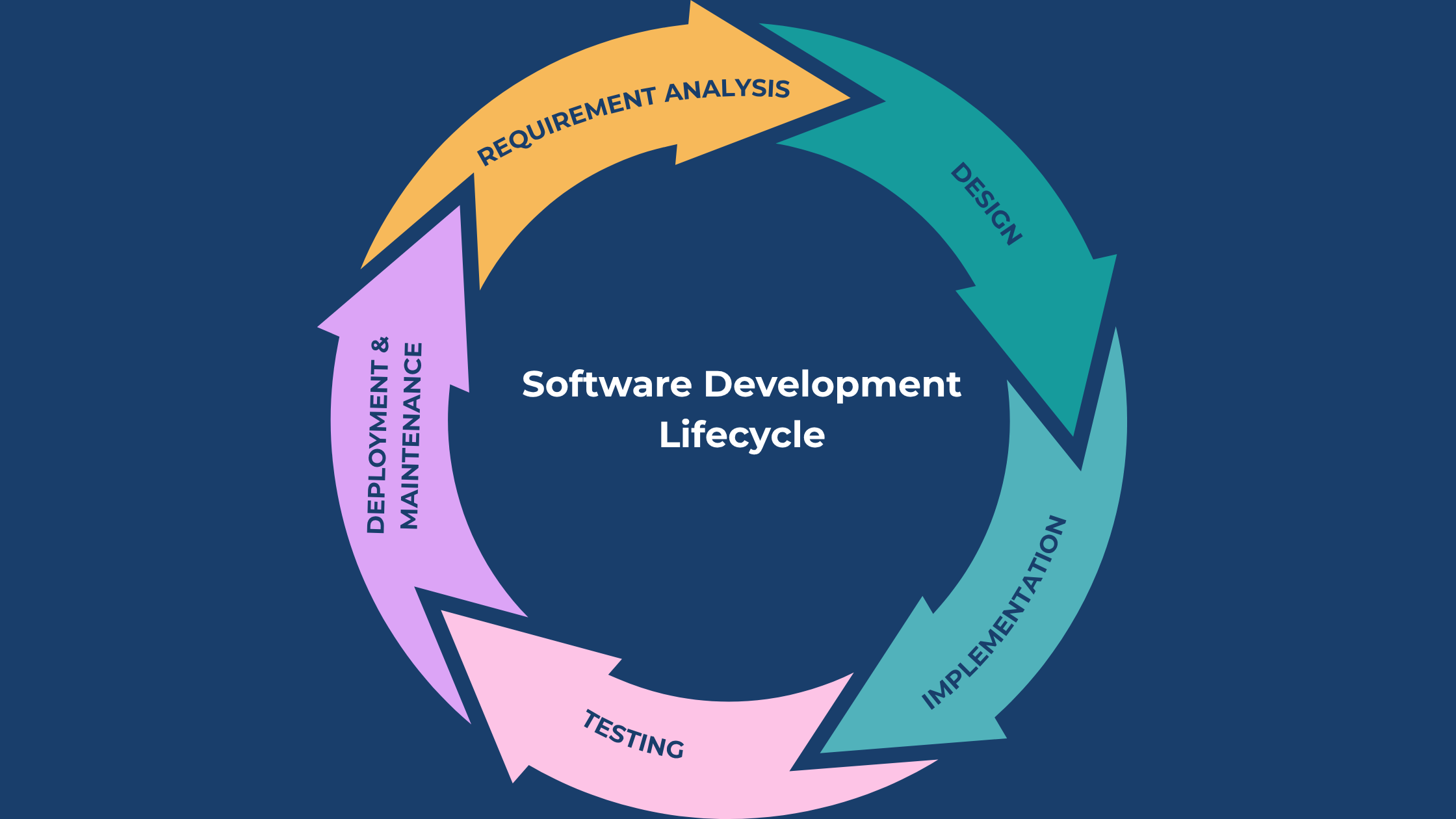
Most modern software projects follow a structured development lifecycle consisting of several key stages. Software application development refers to the structured process of designing, building, testing, and maintaining software programs that solve real-world problems.
These applications can range from simple productivity tools to complex enterprise systems used by millions of users worldwide. Regardless of complexity, most software projects follow a structured development lifecycle.
The process begins with identifying user needs and business objectives. Developers and stakeholders collaborate to define what the software should accomplish, what features are required, and what constraints must be considered.
For example, a logistics management system may require shipment tracking, automated notifications, and analytics dashboards to help companies monitor supply chain performance.
During the design phase, developers plan the application’s architecture. This includes determining how different components of the software will interact, how data will be stored, and how users will navigate the system.
Well-designed architectures allow applications to scale efficiently as user demand increases.
Once the design is finalized, developers write the code that brings the application to life. This stage involves implementing features, integrating systems, and ensuring the application performs as intended.
Developers often collaborate in teams, using version control systems and collaborative workflows to manage code changes.
Before releasing software, developers conduct extensive testing to identify bugs, security vulnerabilities, and performance issues. Quality assurance ensures that applications remain stable and reliable for users.
After testing, the software is deployed to production environments where users can access it. Development teams continue maintaining and improving the application by fixing issues and introducing new features.

Core Skills Required for Software Application Development

Professionals working in software application development require a combination of technical knowledge, problem-solving ability, and collaboration skills.
Research analyzing thousands of job advertisements shows that software roles require a combination of programming skills, collaboration, and problem-solving abilities.
Below are some of the most important capabilities developers must build.
Programming languages form the foundation of software development. Developers must understand concepts such as variables, algorithms, data structures, and control flow to build efficient software systems.
Popular programming languages include Java, Python, JavaScript, and C#. Each language serves different purposes depending on the type of application being developed.
Developers must understand how to structure applications effectively. This includes designing modular systems, defining interfaces between components, and ensuring scalability for growing user bases.
A strong understanding of architecture enables developers to build maintainable systems that can evolve over time.
No software is perfect during its first iteration. Developers must analyze errors, identify root causes, and implement solutions that prevent similar issues from recurring.
Strong analytical thinking helps engineers resolve complex technical challenges efficiently.
Modern software projects involve multiple developers working simultaneously. Version control tools such as Git allow teams to track code changes, manage updates, and collaborate effectively.
Using these tools helps teams maintain organized codebases and avoid conflicts when multiple developers contribute to the same project.
Testing ensures that applications perform reliably and securely. Focusing on structured validation processes, developers must understand testing methodologies such as unit testing, integration testing, and automated testing frameworks.
By building testing into the development process, engineers improve software quality and reduce long-term maintenance issues.

Career Pathways in Software Engineering

Learning software application development opens doors to many different software engineering roles across industries.
Some of the most common career paths include:
Software developers build and maintain applications used by businesses and consumers. They write code, troubleshoot issues, and continuously improve application performance.
These developers focus on browser-based software platforms such as e-commerce websites, business dashboards, and online collaboration tools.
Mobile developers create applications specifically designed for smartphones and tablets. They work with operating systems such as Android and iOS.
DevOps engineers manage infrastructure, deployment pipelines, and cloud environments. Their work ensures applications remain scalable, reliable, and continuously updated.
Solutions architects design large-scale software systems and ensure that technology solutions align with business objectives.
While these roles focus on different areas of software engineering, they all require strong foundations in software application development and collaborative development practices.
Develop the Skills Employers Are Looking For – Learn More About the Programme

Why Traditional Software Learning Paths Often Fall Short

Many aspiring developers pursue traditional computer science or IT programs. While traditional computer science programs provide strong theoretical foundations, many students have limited exposure to real development environments before entering the workforce, such as:
  • working with collaborative development workflows
  • building production-ready applications
  • deploying software in cloud environments
  • managing real software development projects
Without hands-on experience, graduates may find it difficult to transition immediately into professional software engineering roles.
This gap between academic learning and industry expectations has encouraged many students to pursue more practical education pathways that combine theory with real development work.

Why a Work-Study Bachelor’s Degree Is a Smarter Pathway

A work-study bachelor’s degree in software engineering bridges the gap between academic learning and real industry requirements.
Instead of separating theory from practice, work-study programs integrate both throughout the learning experience.
The CLaaS2SaaS model enables students to build validated competencies while working with the same digital tools and systems used in real-world business and technology environments. This approach helps learners translate knowledge into practical skills and transition more effectively from education into professional technology careers.

Students build real applications rather than only completing theoretical exercises. These projects simulate real development environments where students design, build, and deploy functional software systems.
Students learn to work with modern development tools such as version control platforms, cloud infrastructure systems, and agile development workflows.
These tools are widely used in professional development teams.
Work-study programs introduce students to collaborative development practices such as sprint planning, code reviews, and iterative development cycles.
These processes mirror how real software teams operate in the industry.
By the time students graduate, they have built multiple software applications that demonstrate their technical capabilities.
A strong project portfolio significantly improves job readiness for aspiring developers.

Course

Start Your Software Engineering Career

Developers with strong software application development skills are essential to modern organizations. Businesses across industries depend on talented engineers to build and maintain digital systems that support growth and innovation.
For students serious about pursuing software engineering roles, gaining practical development experience is just as important as learning programming theory.
The Work-Study Bachelor’s Degree in Software Engineering offered by CLaaS2SaaS combines academic instruction with hands-on development projects to prepare students for real industry environments.
Through practical training, industry mentorship, and project-based learning, students build the technical skills required to succeed in modern software careers.
Download the Program Brochure to learn how the program can help you launch your career in software engineering.