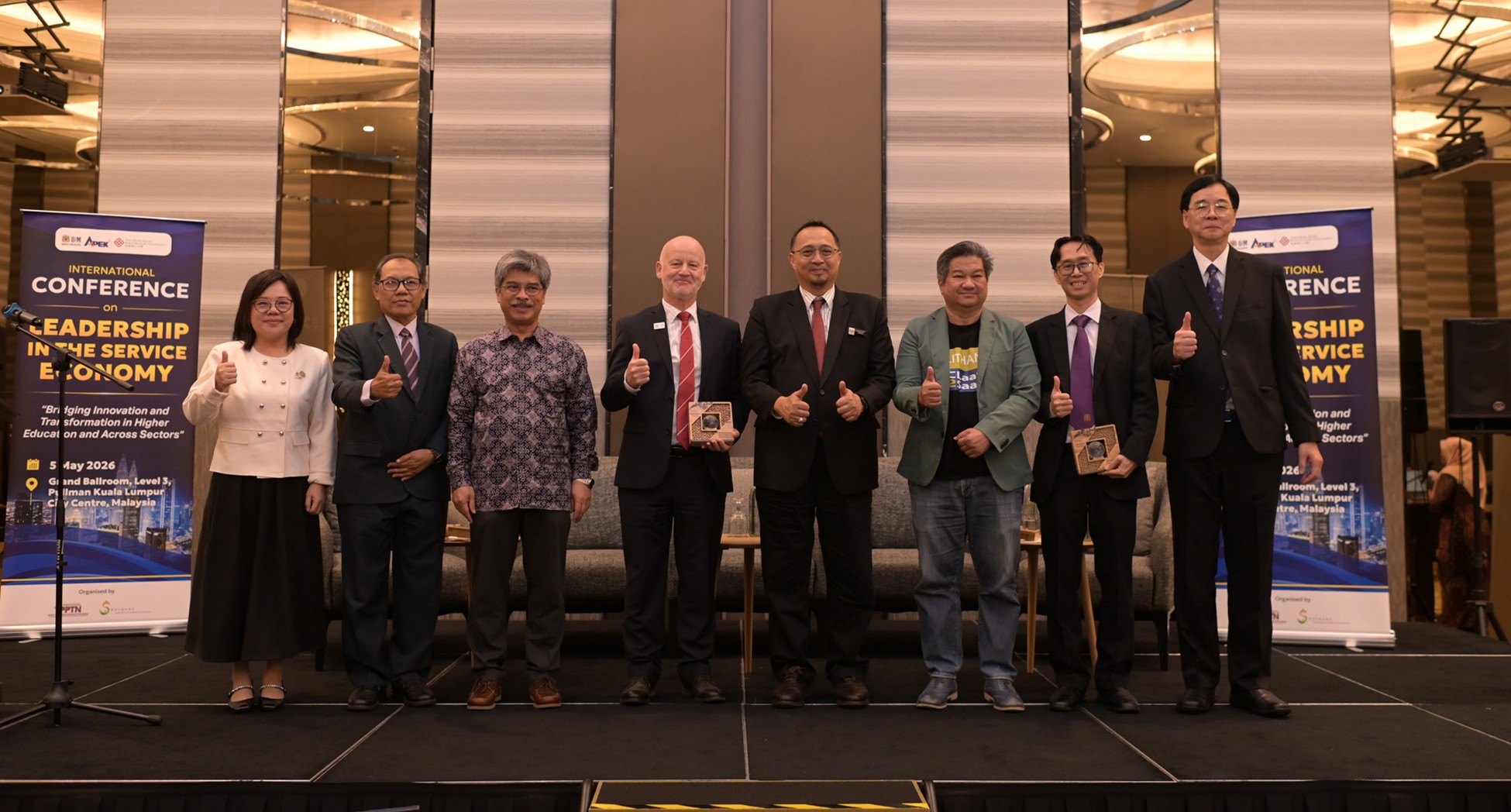
Kuala Lumpur, Malaysia, 5 May 2026 – The International Conference on Leadership in the Service Economy, convened at the Pullman Kuala Lumpur City Centre, brought together leaders across higher education, government, and industry as part of the broader initiative, “Leadership Beyond Silos: Structuring the Service Economy through the Integration of Policy, Knowledge and Practice.” Jointly organised by the National Higher Education Research Institute (IPPTN), Universiti Sains Malaysia (USM), and the Department of Applied Social Sciences at The Hong Kong Polytechnic University, the conference serves as a key platform advancing research and dialogue on service leadership.
At CLaaS2SaaS, we were honored to participate in the plenary session titled Frontier Technologies and the Dynamics of the Service Economy: Shaping a New Generation of Leaders, contributing to discussions alongside policymakers, academics, and industry leaders. The conference as a whole underscored a central proposition: leadership in the service economy must be understood as a systemic capability emerging from the integration of policy, knowledge, and practice across interconnected domains.
A key takeaway from the plenary—and the broader conference—was the pressing need to address fragmentation across education, industry, and policy ecosystems, particularly as ASEAN economies accelerate digital transformation. The discussions highlighted a shift away from siloed institutional approaches toward more coordinated, cross-sector engagement.
During the session, Mr. Leslie Loh, Founder and CEO of CLaaS2SaaS Pte Ltd, shared perspectives on structural challenges facing ASEAN’s digital economy, particularly the growing disconnect between traditional education systems and rapidly evolving workforce needs:
“The elephant in the room is actually our one-size-fits-all higher education system… inefficient and ineffective in preparing digitally skilled talent for the rapidly evolving digital economy.”
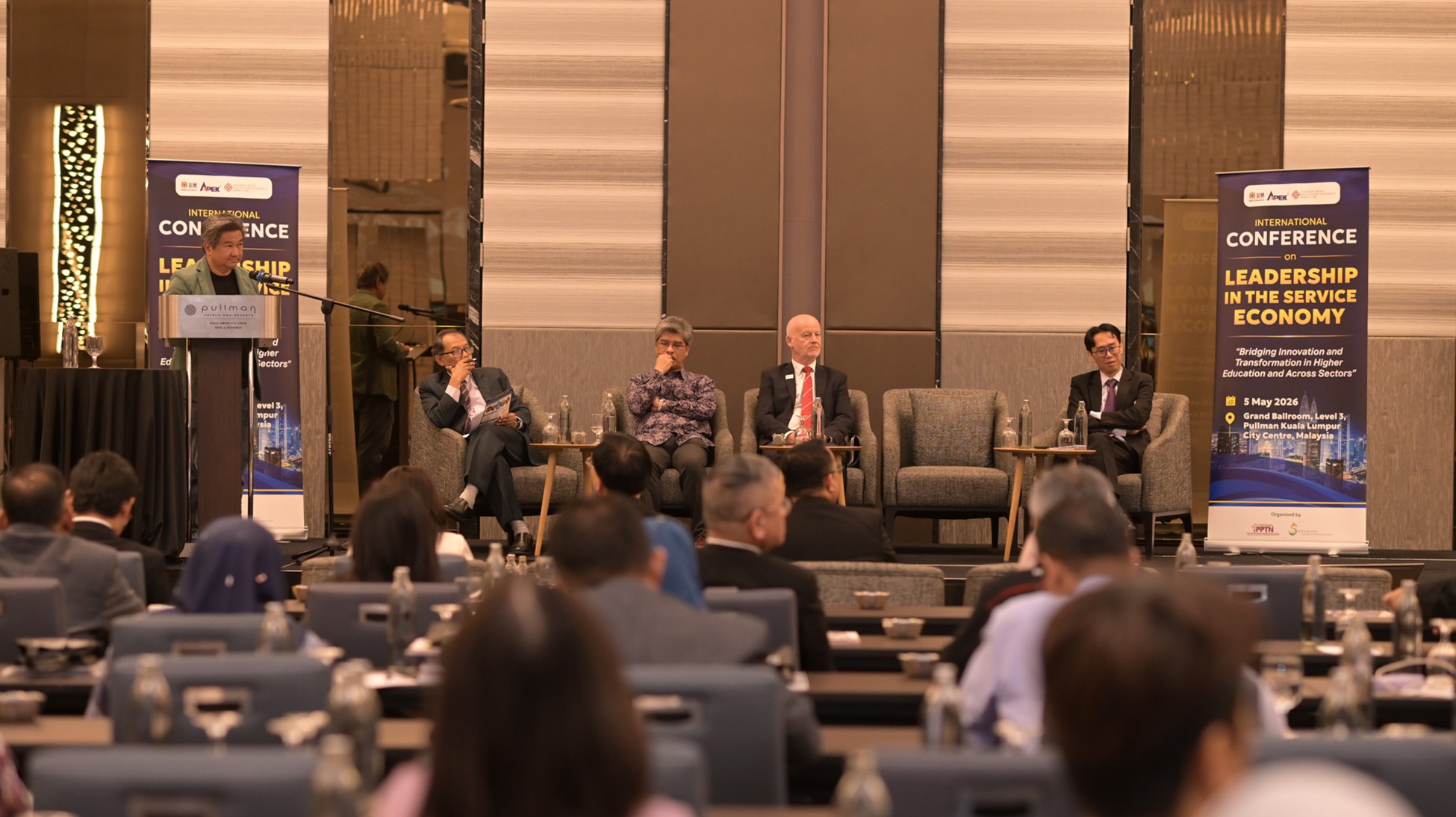
He emphasized that conventional models—often requiring several years to produce graduates—are no longer sufficient in today’s fast-changing landscape. Instead, the discussion underscored the importance of skills-first, work-integrated learning, where education is directly aligned with real-world industry experience to accelerate workforce readiness.
Another major insight centered on the role of artificial intelligence in addressing both scalability and affordability challenges in education and workforce development. AI-powered adaptive learning systems were highlighted as a transformative enabler for delivering personalized, outcome-driven learning at scale.
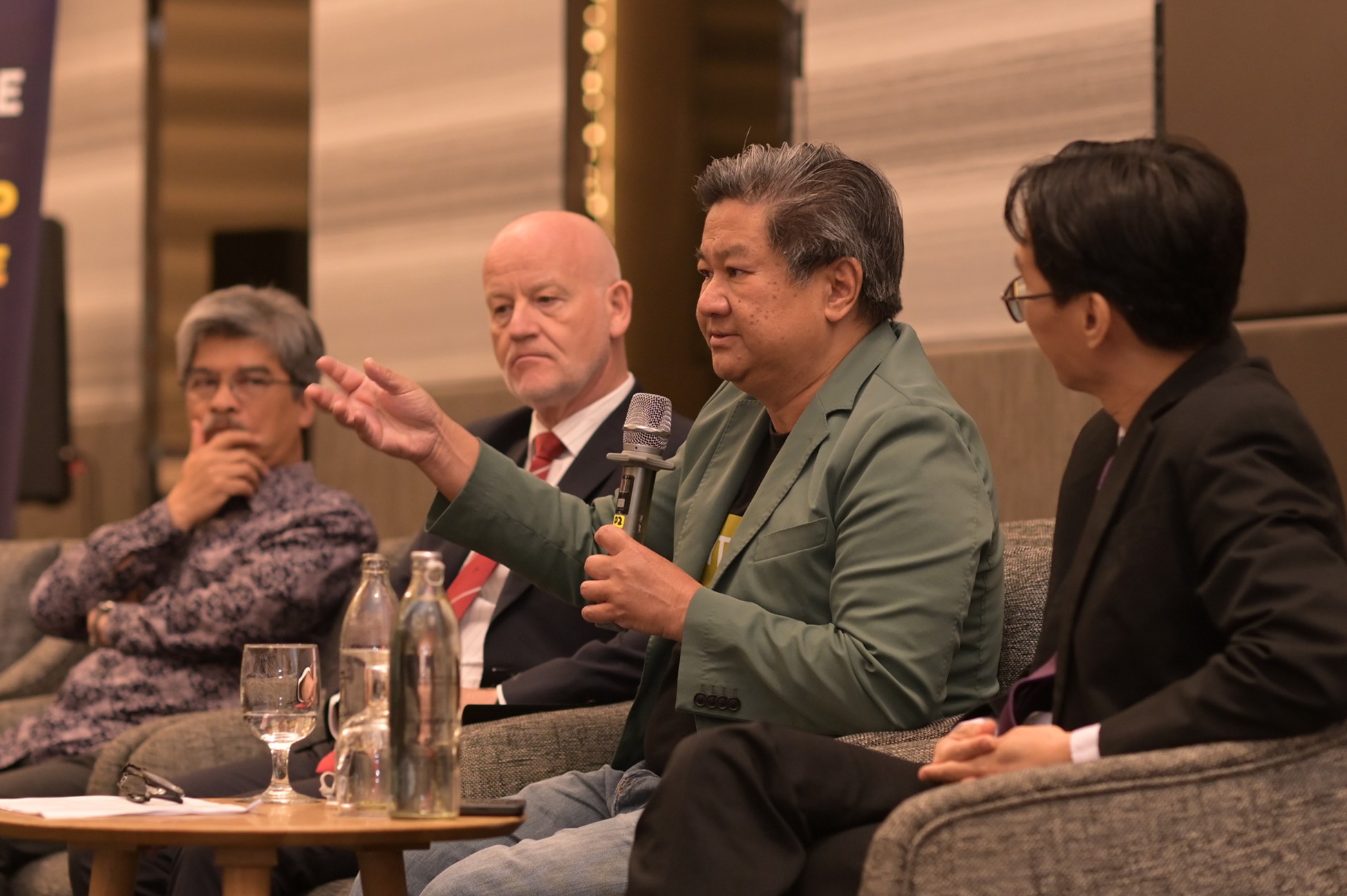
“AI can act as a glue—connecting the dots between technology, human behavior, and economic architecture—to unite our diverse and fragmented ASEAN economy.”
These perspectives reflect the broader direction of the conference, which situates leadership as an integrative function—linking technological advancement, institutional capability, and societal outcomes. Moving forward, effective transformation will depend not only on structural alignment, but also on shared platforms, continuous knowledge exchange, and coordinated action across sectors.
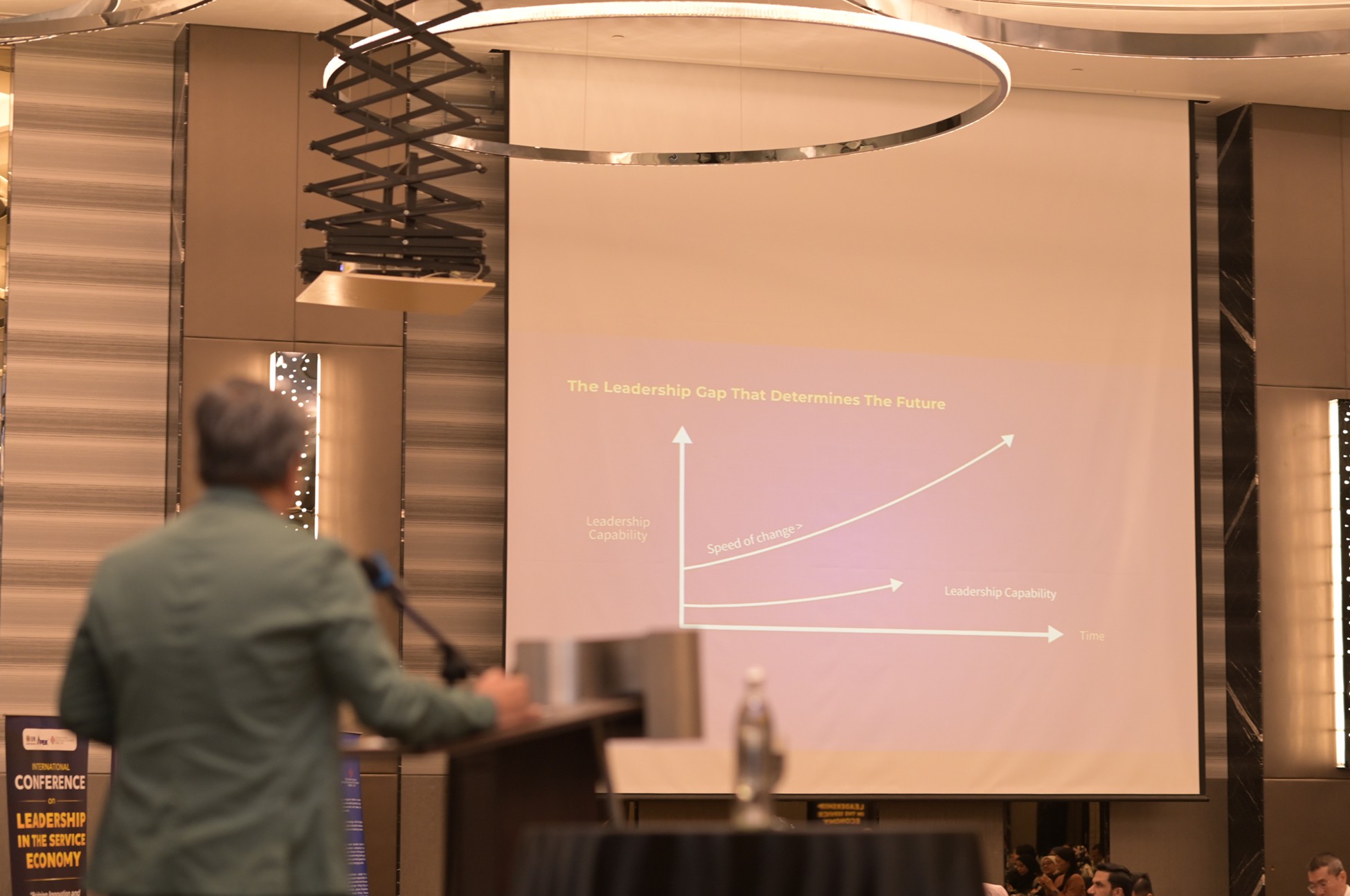
The session also explored the rise of hybrid environments, where human and AI capabilities intersect. This shift calls for a new generation of leaders equipped to navigate complexity, orchestrate cross-domain collaboration, and operate within increasingly interconnected systems.
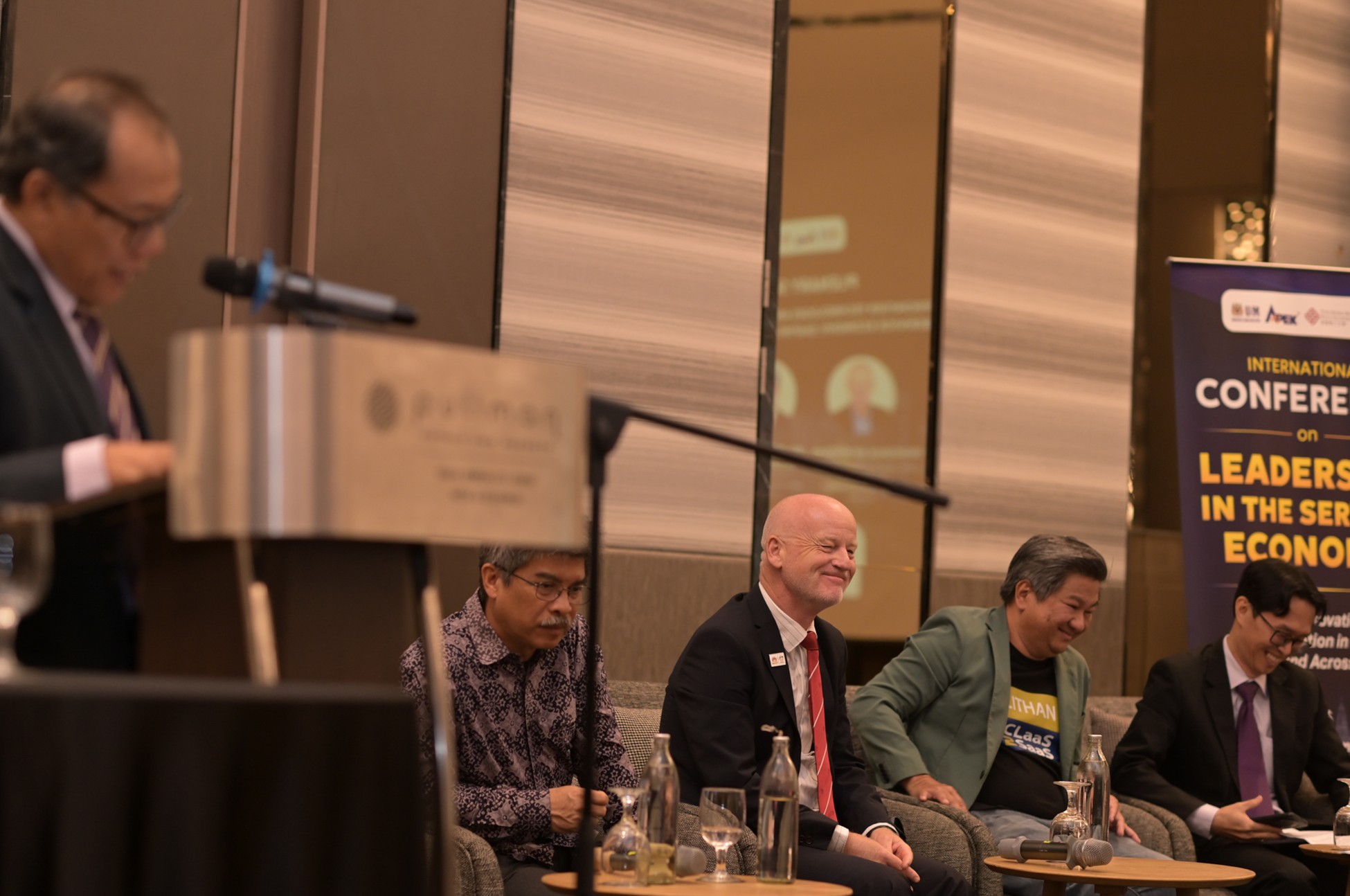
The plenary featured contributions from distinguished speakers including Professor Dr. Jim Woodburn (Griffith University, Australia), YBhg. Professor Dato’ Dr. Sufian Jusoh (Universiti Kebangsaan Malaysia), and Professor Dr. Hooy Chee Wooi, President of the Malaysian Finance Association (MFA) and Professor at Universiti Sains Malaysia (USM). The session was moderated by YBhg. Emeritus Professor Dato’ Dr. Morshidi Sirat of the National Higher Education Research Institute (IPPTN), Universiti Sains Malaysia (USM).
The discussions reinforced a shared commitment among participants—including CLaaS2SaaS—to advancing a more integrated, inclusive, and innovation-driven service economy across ASEAN. This aligns with CLaaS2SaaS’ ongoing transformation journey, where learning, work, and performance are integrated into a unified system to support the development of an adaptive, AI-enabled workforce.
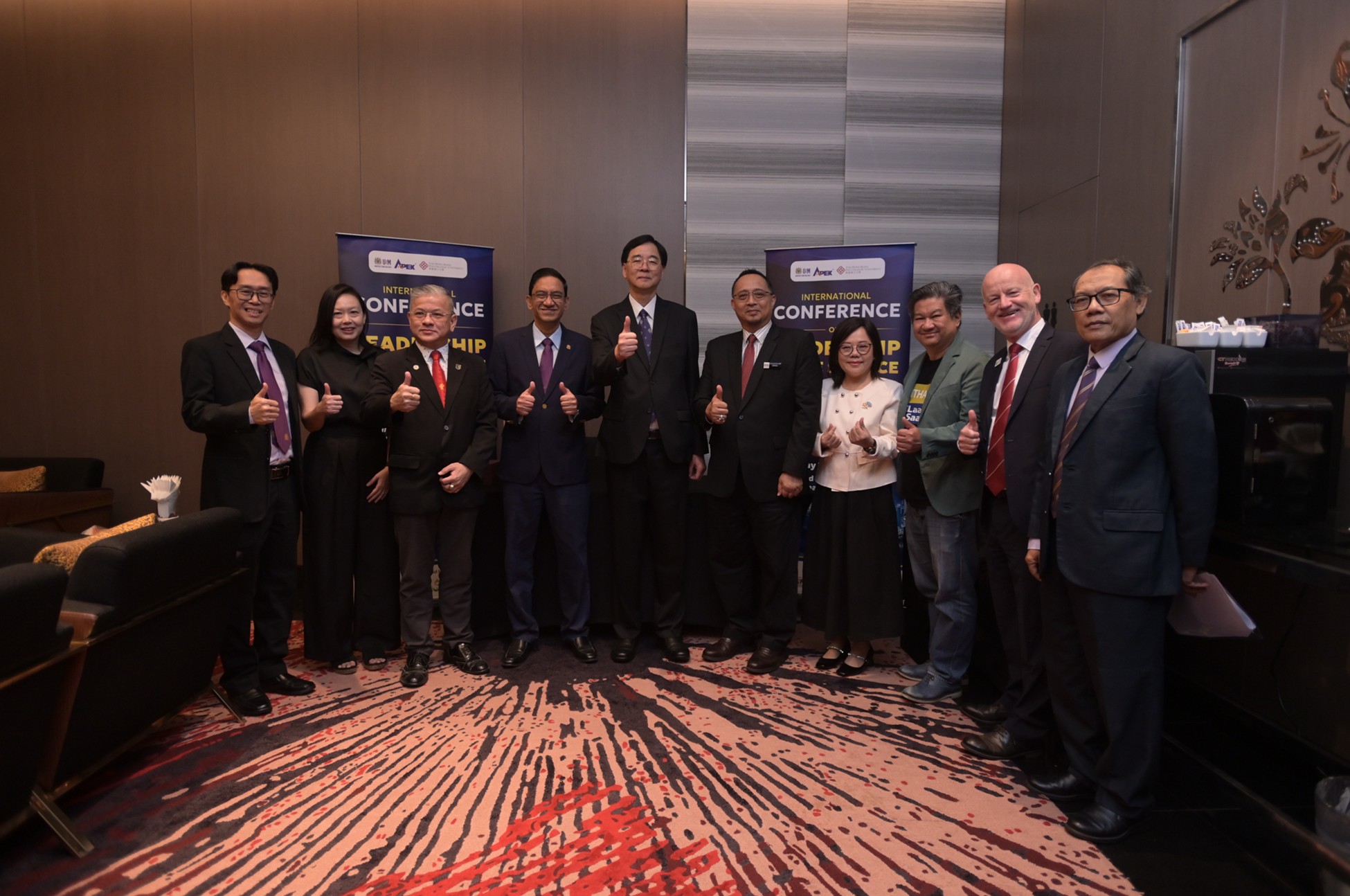
The conference ultimately reinforces the role of higher education and cross-sector collaboration in shaping the future of service-oriented economies, while advancing the discourse on how leadership can be defined and operationalized within complex and interconnected systems.