Digital Transformation Leadership Course: Manager to C-Suite Pathway (Structure + Eligibility)
SHARE THIS:


Introduction
The hard truth about modern business is that most digital transformation initiatives fail, not because of the technology, but because of a lack of leadership. While many managers can oversee a software rollout, very few possess the strategic vision to steer an entire organization through a digital evolution. This gap is exactly why a digital transformation leadership course is no longer a luxury it is a career necessity for those eyeing the C-suite.
If you feel stuck in middle management or find your digital strategies hitting a glass ceiling, you aren’t alone. Transitioning from a technical or functional manager to an executive leader requires a shift from “how things work” to “how things win.” This article is specifically for ambitious managers and IT leaders who need to master the financial, operational, and cultural facets of innovation. By the end of this guide, you will understand how an executive digital transformation program from CLaaS2SaaS can bridge your skill gap and why formal digital transformation manager certification is the gold standard for modern career advancement.

Identifying the Next Generation of Digital Executives
Success in the modern enterprise is reserved for those who can bridge the gap between technical execution and boardroom strategy. This specialized Digital Transformation Leadership course is architected for mid-to-senior managers and business unit leaders who recognize that in today’s economy, staying stationary is the greatest career risk of all. At CLaaS2SaaS, we understand that for those aiming for a Digital Transformation Lead or Chief Digital Officer (CDO) role, the transition isn’t just about upskilling—it is a move toward strategic survival.
The Curriculum of Modern Innovation: Beyond the Code
Low-Code Application Development & AI Model Development
Data Analytics & Management
Agile Workforce & Digital Learning
Digital Transformation-Entrepreneurship
Digital Transformation Leadership
Global Opportunities and the Evolution of the Digital Workplace
The application of these leadership skills is universal. Whether you are in a global financial hub or a regional manufacturing center, the demand for certified leaders is skyrocketing. Completing a digital transformation leadership course grants you the industry validation needed to move between sectors with ease.

The Urgency of Now: Why the 2026 Landscape Demands Action
The timing of your career pivot is critical. Global spending on digital transformation will reach $3.4 trillion by 2026, according to research from Statista. Organizations are desperate for leaders who can ensure these investments aren’t wasted. Waiting to enhance your credentials means trailing behind a market moving at warp speed.
Building the Case for Strategic Leadership Over Manual Experience
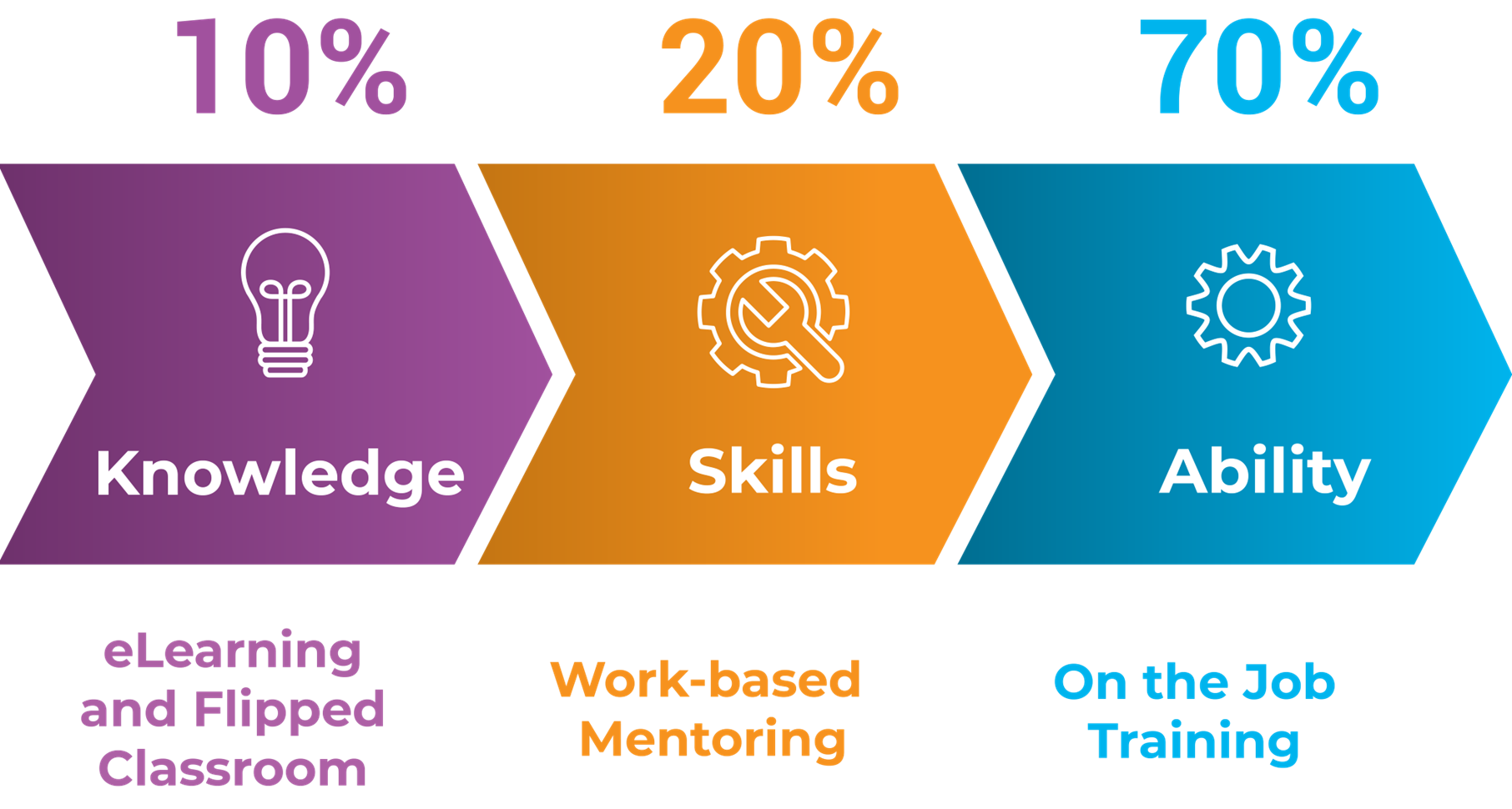
While “on-the-job” experience is valuable, it often results in “incumbent’s bias” doing things the way they’ve always been done. Formal training provides a holistic view. Research indicates that organizations led by certified digital experts see a 25% higher success rate in their transformation initiatives.
Operational Excellence and Financial Impact: The Professional View
Investing in this digital transformation program is a move for the bottom line. True digital leadership focuses on three core pillars:
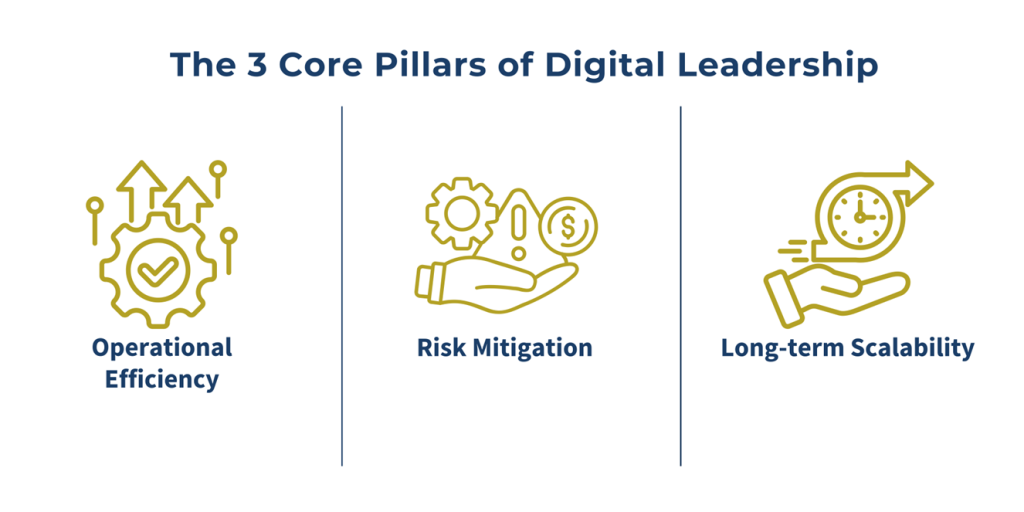
- Operational Efficiency: Certified leaders identify digital waste. A leader trained in a digital transformation leadership course can audit systems to save millions in redundant licensing and manual labor through RPA and AI.
- Risk Mitigation: Understanding the security and governance implications of new tech protects the brand from catastrophic data breaches.
- Long-term Scalability: You learn to build tech stacks (using Low-Code and Cloud) that are modular, ensuring the company isn’t forced into a “rip and replace” cycle every 24 months.
The Human Element: Redesigning the Agile Workforce
The most underrated aspect of any digital transformation leadership course is the focus on human psychology. Employees often fear that AI or automation will replace them.
Case Study: The Work-Study Success
Strategic Implementation: Choosing Your Credential Path
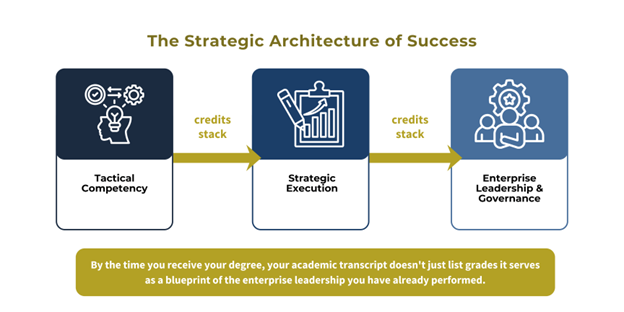
- Professional Certificate (4 Months): Intensive bootcamp for work-ready skills in data and AI.
- Professional Diploma (5 Months): Focus on industry project implementation and digital leadership.
- International Master’s Degree Top-Up (6 Months): Awarded by Guglielmo Marconi University, Italy, focusing on digital strategy and organization.
Why the Master’s Pathway is Your Ultimate Career Lever
Earning a digital transformation certification is an excellent first step, but the Master’s degree represents the pinnacle of executive readiness. This pathway transforms you from a technical manager into a global strategist capable of orchestrating complex enterprise ecosystems. By aligning your education with a prestigious European university, you gain the academic authority needed to command respect in any boardroom.FAQ: Navigating the Path to Digital Mastery
Is a digital transformation manager certification recognized globally?
Can I complete a digital transformation leadership course while working full-time?
What is the minimum requirement to join?
Do I need a tech background?
Conclusion: The Future Belongs to the Digital Architect
Navigating the path from manager to the C-suite requires more than just hard work; it requires the right credentials and a strategic mindset. Whether you are pursuing a digital transformation manager certification or a full digital transformation leadership course, the goal remains the same: becoming an indispensable architect of the digital future.SHARE THIS:
Introduction
The hard truth about modern business is that most digital transformation initiatives fail, not because of the technology, but because of a lack of leadership. While many managers can oversee a software rollout, very few possess the strategic vision to steer an entire organization through a digital evolution. This gap is exactly why a digital transformation leadership course is no longer a luxury it is a career necessity for those eyeing the C-suite.
If you feel stuck in middle management or find your digital strategies hitting a glass ceiling, you aren’t alone. Transitioning from a technical or functional manager to an executive leader requires a shift from “how things work” to “how things win.” This article is specifically for ambitious managers and IT leaders who need to master the financial, operational, and cultural facets of innovation. By the end of this guide, you will understand how an executive digital transformation program from CLaaS2SaaS can bridge your skill gap and why formal digital transformation manager certification is the gold standard for modern career advancement.
Identifying the Next Generation of Digital Executives
Success in the modern enterprise is reserved for those who can bridge the gap between technical execution and boardroom strategy. This specialized Digital Transformation Leadership course is architected for mid-to-senior managers and business unit leaders who recognize that in today’s economy, staying stationary is the greatest career risk of all. At CLaaS2SaaS, we understand that for those aiming for a Digital Transformation Lead or Chief Digital Officer (CDO) role, the transition isn’t just about upskilling—it is a move toward strategic survival.
The Curriculum of Modern Innovation: Beyond the Code
Low-Code Application Development & AI Model Development
Data Analytics & Management
Agile Workforce & Digital Learning
Digital Transformation-Entrepreneurship
Digital Transformation Leadership
Global Opportunities and the Evolution of the Digital Workplace
The application of these leadership skills is universal. Whether you are in a global financial hub or a regional manufacturing center, the demand for certified leaders is skyrocketing. Completing a digital transformation leadership course grants you the industry validation needed to move between sectors with ease.
The Urgency of Now: Why the 2026 Landscape Demands Action
The timing of your career pivot is critical. Global spending on digital transformation will reach $3.4 trillion by 2026, according to research from Statista. Organizations are desperate for leaders who can ensure these investments aren’t wasted. Waiting to enhance your credentials means trailing behind a market moving at warp speed.
Building the Case for Strategic Leadership Over Manual Experience
While “on-the-job” experience is valuable, it often results in “incumbent’s bias” doing things the way they’ve always been done. Formal training provides a holistic view. Research indicates that organizations led by certified digital experts see a 25% higher success rate in their transformation initiatives.
Operational Excellence and Financial Impact: The Professional View
Investing in this digital transformation program is a move for the bottom line. True digital leadership focuses on three core pillars:
- Operational Efficiency: Certified leaders identify digital waste. A leader trained in a digital transformation leadership course can audit systems to save millions in redundant licensing and manual labor through RPA and AI.
- Risk Mitigation: Understanding the security and governance implications of new tech protects the brand from catastrophic data breaches.
- Long-term Scalability: You learn to build tech stacks (using Low-Code and Cloud) that are modular, ensuring the company isn’t forced into a “rip and replace” cycle every 24 months.
The Human Element: Redesigning the Agile Workforce
The most underrated aspect of any digital transformation leadership course is the focus on human psychology. Employees often fear that AI or automation will replace them.
Case Study: The Work-Study Success
Strategic Implementation: Choosing Your Credential Path
- Professional Certificate (4 Months): Intensive bootcamp for work-ready skills in data and AI.
- Professional Diploma (5 Months): Focus on industry project implementation and digital leadership.
- International Master’s Degree Top-Up (6 Months): Awarded by Guglielmo Marconi University, Italy, focusing on digital strategy and organization.
Why the Master’s Pathway is Your Ultimate Career Lever
Earning a digital transformation certification is an excellent first step, but the Master’s degree represents the pinnacle of executive readiness. This pathway transforms you from a technical manager into a global strategist capable of orchestrating complex enterprise ecosystems. By aligning your education with a prestigious European university, you gain the academic authority needed to command respect in any boardroom.FAQ: Navigating the Path to Digital Mastery
Is a digital transformation manager certification recognized globally?
Can I complete a digital transformation leadership course while working full-time?
What is the minimum requirement to join?
Do I need a tech background?
Conclusion: The Future Belongs to the Digital Architect
Navigating the path from manager to the C-suite requires more than just hard work; it requires the right credentials and a strategic mindset. Whether you are pursuing a digital transformation manager certification or a full digital transformation leadership course, the goal remains the same: becoming an indispensable architect of the digital future.Course