Blog
Beginner’s First Project on Project Based Data Science Training
SHARE THIS:


Starting your data science journey doesn’t have to be overwhelming — if you know where and how to begin.
While many learners get stuck on tutorials and theoretical exercises, project based data science training accelerates real skill development by immersing you directly in practical work. Real projects replicate the challenges you will face in actual jobs, helping you go beyond memorizing syntax to thinking like an analyst.

Research in education supports this hands-on approach: project-based learning has been shown to improve knowledge retention and real-world thinking skills significantly more than traditional, lecture-based models. According to a meta-analysis of 66 studies, project-based instruction had a large positive effect on academic outcomes and meaningful engagement with content — especially in areas requiring problem-solving and higher-order thinking.
In data science, where insight generation and business impact are the core deliverables, this method isn’t just beneficial — it’s essential.
Why Project-Based Learning Matters Now

Today’s job market rewards people who can do, not just know. Employers increasingly require candidates who can demonstrate how they’ve applied analytics techniques to business scenarios, not just recite definitions.
One major study of online job postings revealed a widening mismatch between the skills taught by educational institutions and those required by employers, especially in technical fields like analytics and data science.
This “skills gap” means that many learners complete traditional coursework but still struggle to meet workplace expectations — particularly in areas like:
- practical problem framing
- applied analytics
- data storytelling
- outcome-driven dashboards
What Is Project Based Data Science Training?
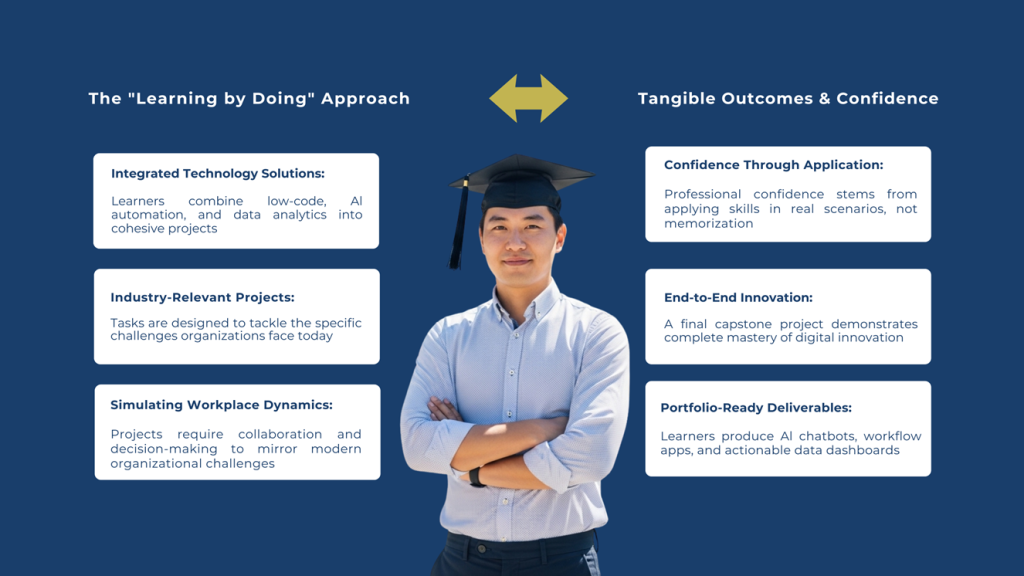
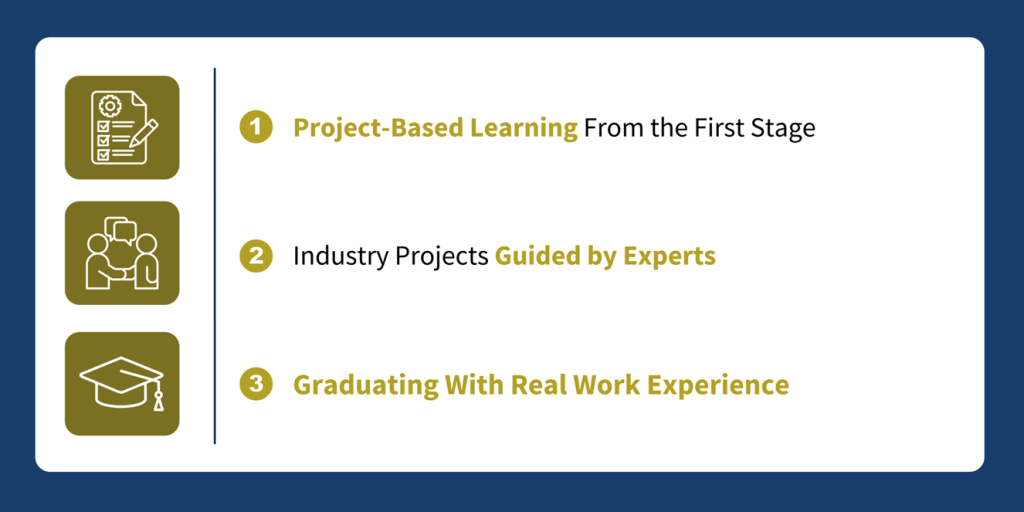
Project based data science training is a learning model where the primary vehicle for skill acquisition is real-world project work. Instead of sequence learning (tool → tool → tool), you learn tools as you use them to solve meaningful problems.
A real-world project might involve:
- cleaning an imperfect dataset
- uncovering insights through exploratory analysis
- building models or forecasting trends
- visualizing findings for decision-makers
This mirrors how data scientists and analysts work in practice — they don’t solve toy problems; they solve business problems. Education research confirms that learning anchored in real tasks enhances both cognitive engagement and long-term retention compared with passive study alone.
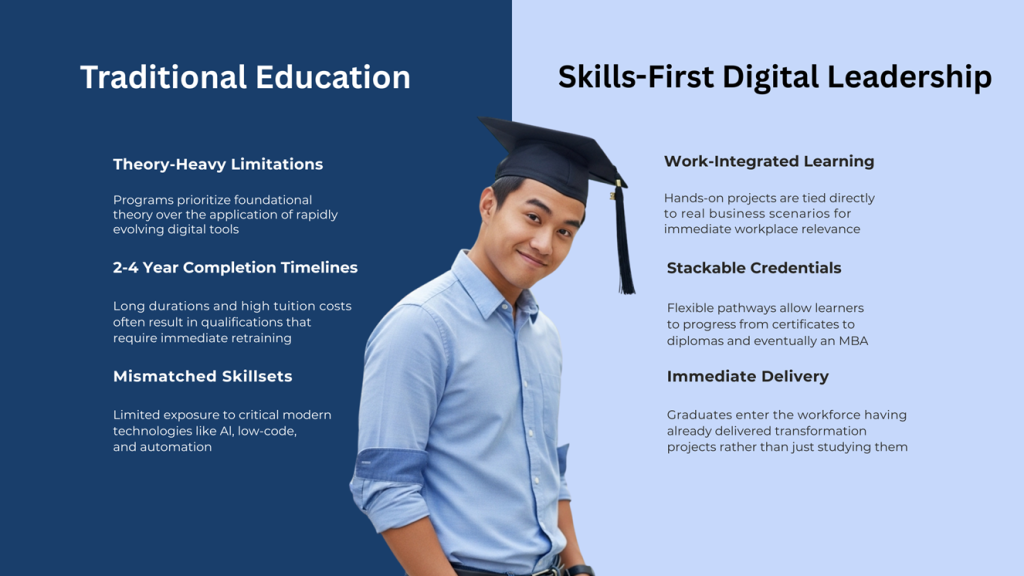
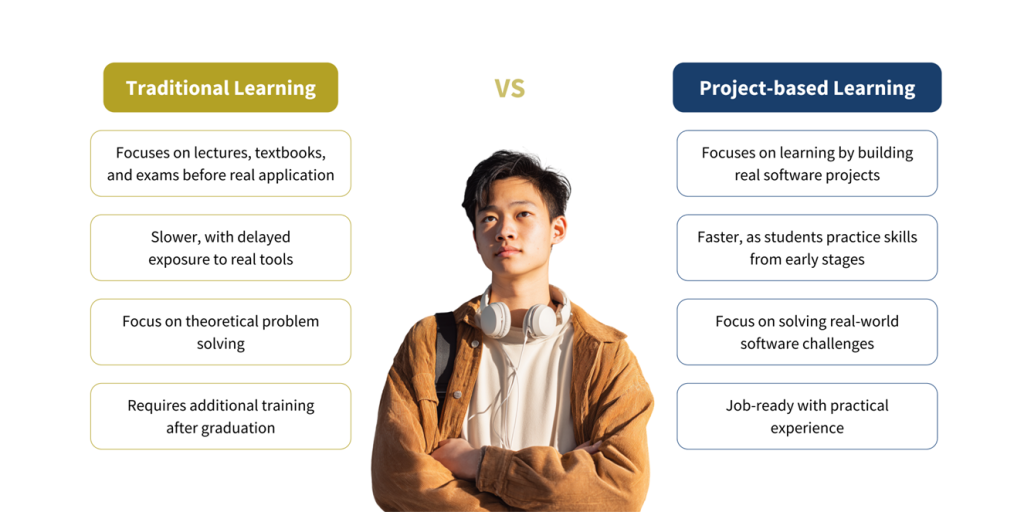
Traditional Courses vs CLaaS2SaaS’ Hands-On Learning Model
Theory-Heavy Learning
Most users’ first experience with data science comes from:
These methods can leave learners feeling unprepared for the complexity of real datasets and business problems. Most users’ first experience with data science comes from:
- long lecture videos
- disconnected lessons
- isolated quiz questions
CLaaS2SaaS’ Project-Based Approach
CLaaS2SaaS flips that model.
From day one, learners are guided to:
This builds not just knowledge, but confidence and credibility — the qualities employers are increasingly prioritizing in hiring decisions. From day one, learners are guided to:
- solve realistic problems
- analyze real datasets
- make data-backed recommendations
- iterate on feedback
How Your First Beginner Project Works
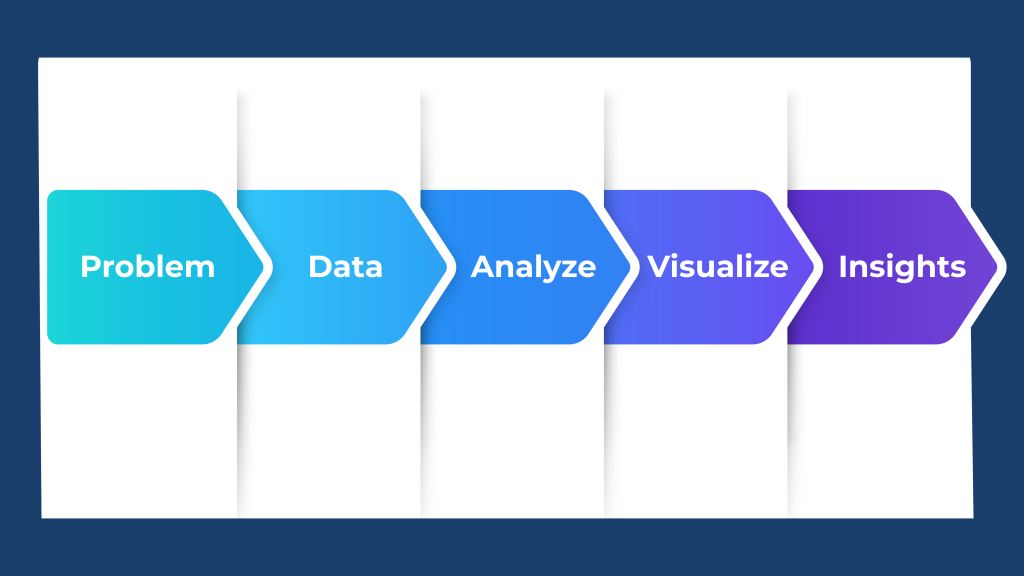
Starting your first project doesn’t mean you must build a perfect AI model. It means following a structured process that reflects how data work is done in industry.
Typical Learning Structure
This process develops not only technical skills, but analytical confidence — a key predictor of early career success. - Define a business question — What decision will this analysis support?
- Collect and clean data — Real data is messy; cleaning it is the first real skill you’ll practice.
- Explore and analyze — Look for patterns, trends, and outliers.
- Apply basic analytics or machine learning — Focus on relevance, not complexity.
- Visualize outcomes — Create charts and dashboards that clarify insights.
- Recommend actions — Translate numbers into decisions.
Beginner-Friendly Project Ideas to Start With
You don’t need complex big data to build meaningful skills. Great beginner projects include:
These projects reflect real workplace problems and deliverables, helping you build a portfolio that hiring managers will take seriously. - Sales Performance Dashboard — Analyze and visualize trends in sales data.
- Customer Churn Analysis — Identify patterns that predict retention.
- Social Media Engagement Report — Discover what drives interaction.
- Basic Price Prediction Model — Use simple regression to forecast outcomes.
What You Actually Learn from Each Project (Not Just Theory)
Projects are practical training wheels for multiple skills at once:
Technical Competencies
This interdisciplinary skill blend is exactly what modern data roles require. - Python or SQL
- Data cleaning techniques
- Visualization tools
- Machine learning concepts
- framing business questions
- uncovering actionable trends
- evaluating model performance
- dashboard storytelling
- executive summaries
- recommendation reports
How Projects Turn into a Job-Ready Portfolio
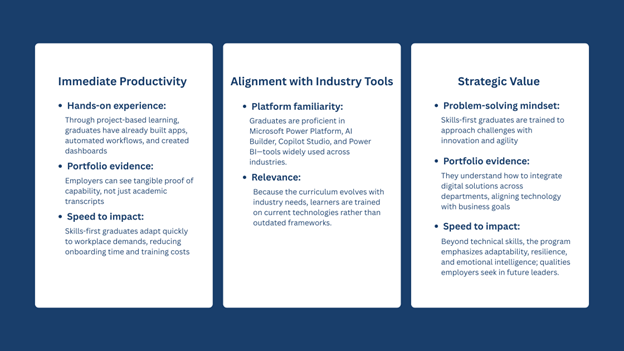
Most job candidates hand over a certificate. But employers want evidence of impact.
When your portfolio includes real dashboards, predictive models, and thorough write-ups, you’re demonstrating:
- application ability
- problem-solving mindset
- business relevance
That transforms you from a “learner” into a practitioner.
Studies show that employers are shifting toward skill-based evaluation rather than credentials alone, particularly in fields like AI and analytics where practical expertise adds measurable value.
This means projects — not degrees — often become your strongest competitive asset.
Career Outcomes That Make Project-Based Training Worth It
With project-based experience, learners are prepared for roles such as:
Because these positions focus on application and impact, the breadth of skills you gain through projects often translates to faster employability compared to traditional paths. - Data Analyst
- Business Intelligence Analyst
- Junior Data Scientist
- Reporting or Insights Analyst
- Analytics Consultant
Why Employers Hire Based on Proof, Not Certificates
Industry leaders increasingly value demonstrated ability over academic pedigree. In a labour market where AI and data skills are in high demand, employers are rethinking hiring practices — putting less weight on formal degrees and more on what candidates can do.
This is especially true in analytics and AI fields, where job postings grow rapidly and practical skills are scarce.
Even in a tightening job market, the demand for AI-related capabilities — particularly data handling, analysis, and model interpretation — continues to climb, showing sustained interest in candidates who can apply these skills effectively.
Addressing Common Beginner Misconceptions
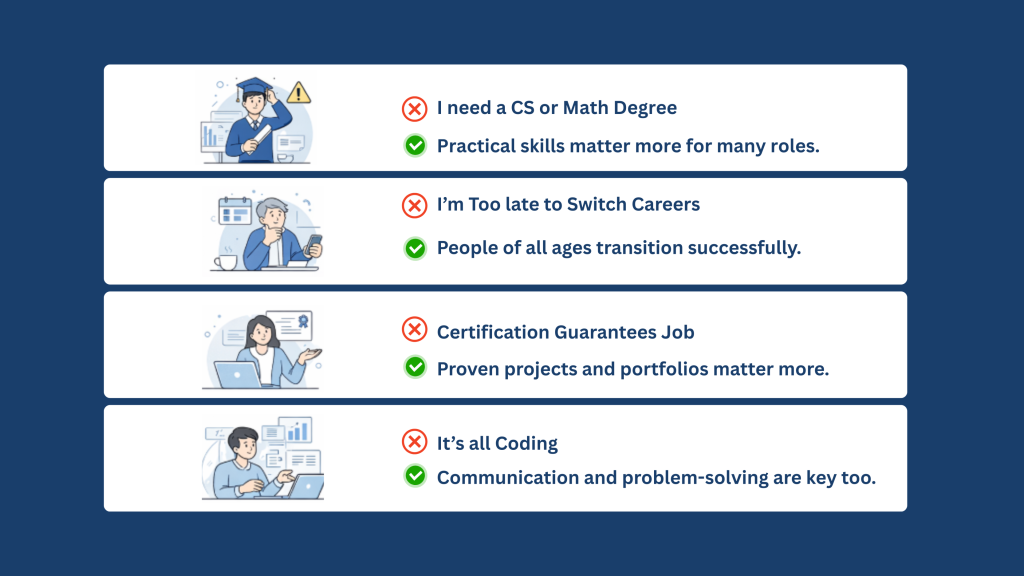
“I’m not technical enough.”
Everyone starts somewhere — project-based paths are designed for beginners without assuming prior expertise.
Everyone starts somewhere — project-based paths are designed for beginners without assuming prior expertise.
“I need advanced math before I start.”
Most entry-level data roles emphasize logic and pattern recognition more than abstract math.
Most entry-level data roles emphasize logic and pattern recognition more than abstract math.
“I should learn theory first.”
Guided projects help you apply theory as you learn it — which is far more effective for retention and confidence.
Guided projects help you apply theory as you learn it — which is far more effective for retention and confidence.
Who Should Start with Project-Based Training
This learning path is ideal for:
If you prefer hands-on application over passive lectures, project-based training aligns with both how adult learning works and how data professionals work in the real world. - complete beginners
- career switchers
- professionals seeking upskilling
- fresh graduates
- anyone who learns by doing
Is This Learning Style Right for You?
Project-based learning works best for those who:
- enjoy solving real problems
- thrive with tangible outcomes
- want visible indicators of progress
- plan to enter competitive job markets
If these resonate with you, this approach isn’t just helpful — it’s transformative.
Course

Start Your First Data Science Project Today
Every expert in this field started with a simple first project.
What matters isn’t complexity — it’s completion and application.
With project-based data science training, you can:
The first project isn’t just your introduction — it’s your launchpad. - develop real skills
- build a compelling portfolio
- transition into a rewarding career
And once you complete it?
You won’t just be learning data science.
You’ll be doing it.