Lifelong Learning CET
Digital Marketing Course – GenAI Tools, Analytics & Career Growth in 2026
Digital Marketing Course – GenAI Tools, Analytics & Career Growth in 2026
Content
Content
Digital Marketing Is No Longer Just About Social Media
Businesses today expect marketers to do far more than manage social media posts or run basic advertising campaigns. Modern digital marketing combines content strategy, analytics, AI-assisted workflows, automation systems, customer engagement, and performance reporting across multiple digital channels.
As organizations keep investing in digital change, professionals who know SEO, analytics, campaign optimization, generative AI tools, and automation workflows are gaining value worldwide. Finding the best digital marketing course that addresses these modern frameworks is critical for long-term growth. CLaaS2SaaS offers a specialized curriculum designed to ensure these digital marketing skills are highly relevant not only for marketing teams, but also for ecommerce businesses, startups, remote-first companies, business operations teams, and customer engagement roles.
CLaaS2SaaS’ digital marketing course is designed for career changers, SME owners, marketing professionals, and non-technical learners seeking industry-relevant capabilities aligned with how modern businesses operate in 2026.
Rather than focusing heavily on theory, the program emphasizes portfolio-building, real campaign simulations, analytics reporting, automation workflows, and AI-supported marketing execution.
While Singapore is often used as a benchmark because of its strong digital economy, rapid AI adoption, and business transformation landscape, the practical skills taught in this program are highly transferable across international companies, regional enterprises, and remote-first business environments.
Why Digital Marketing Skills Matter in 2026
Businesses across global markets continue increasing investment in digital transformation, particularly in areas that improve customer engagement, operational efficiency, and measurable business growth.
Digital marketing is no longer limited to publishing content or managing social media pages—it now plays a direct role in revenue generation, customer acquisition, and long-term business sustainability. Even when exploring digital marketing for beginners, the foundational focus must center on how modern platforms connect directly to measurable business growth.
To support these goals, organizations are actively investing in several high-priority areas, including:
- Digital marketing
- AI-supported customer engagement
- Marketing automation
- Analytics-driven decision-making
- Performance-focused campaign execution
As businesses become increasingly digital-first, employers are prioritizing professionals who can combine creative execution with analytics interpretation, automation systems, and performance optimization strategies.
Modern digital marketing roles extend across multiple business functions, including:
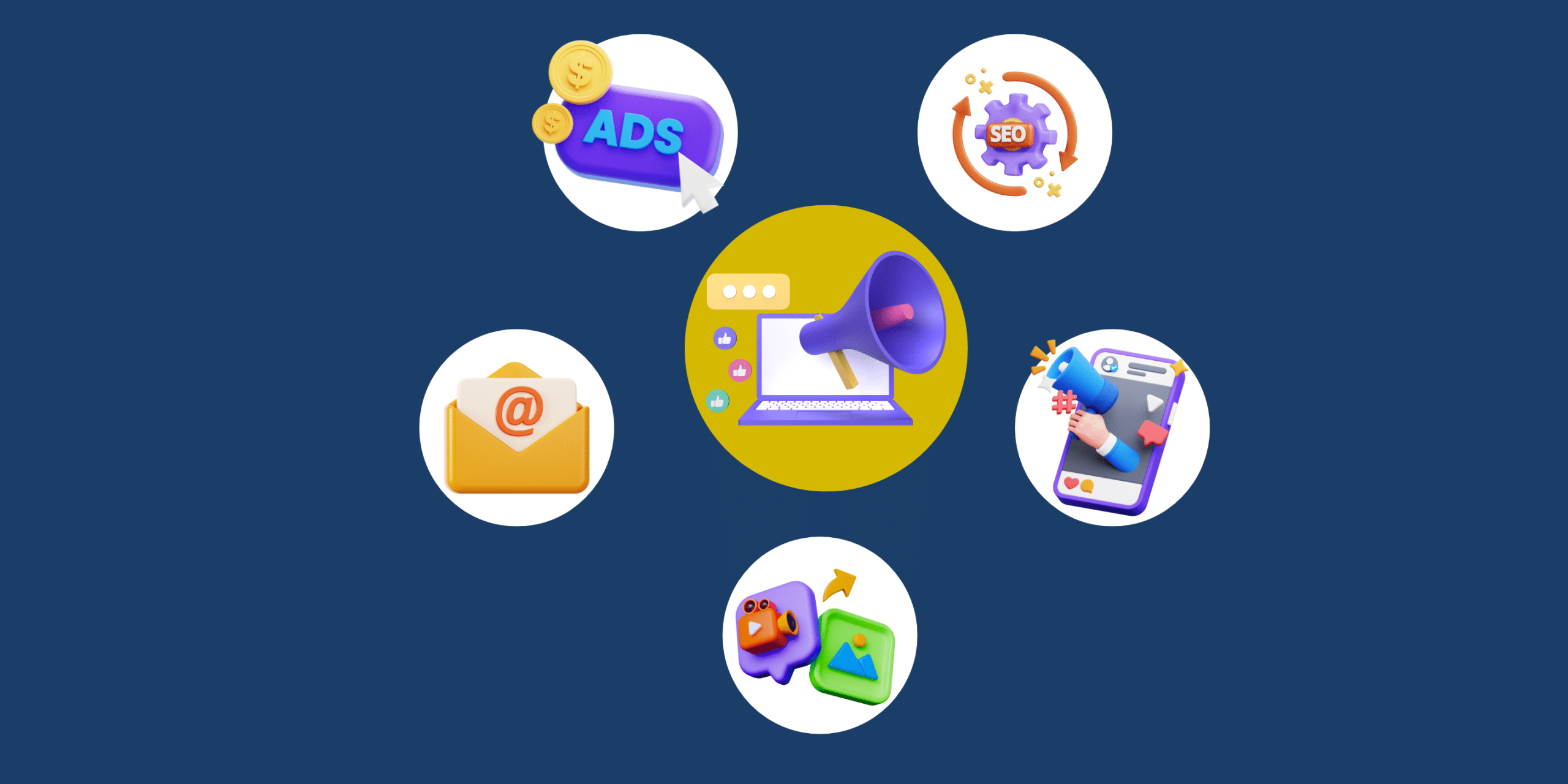
- Search Engine Optimization (SEO)
- Paid advertising and performance campaigns
- Social media marketing
- Email marketing automation
- Data analytics and reporting
- Conversion-focused landing pages
- AI-assisted content strategy
- Customer journey optimization
As AI platforms such as ChatGPT and predictive analytics systems become more widely adopted, employers increasingly seek marketers who can:
- Analyze campaign performance
- Optimize customer funnels
- Automate repetitive workflows
- Improve conversion outcomes
- Interpret real-time customer data
What Is Inside the Digital Marketing Course – GenAI Tools Curriculum Breakdown
Unlike many digital marketing programs that provide only theoretical overviews, this course integrates GenAI tools, analytics systems, and automation platforms directly into practical learning activities.
The curriculum of this digital marketing course is designed around how modern marketing teams operate in 2026, with strong emphasis on portfolio-building, real campaign simulations, analytics reporting, automation workflows, and AI-assisted execution.
Rather than simply learning concepts, participants apply them immediately through practical business scenarios modeled after agencies, ecommerce brands, startups, and enterprise marketing teams.
What Learners Actually Build Inside the CLaaS2SaaS Digital Marketing Program
The CLaaS2SaaS Lifelong Learning Digital Marketing Program is designed as a work-integrated, industry-aligned pathway that helps learners build practical digital marketing capabilities through hands-on implementation, portfolio development, and real-world business simulations.
The program combines practical marketing, analytics, automation, and AI capabilities through a work-integrated learning approach designed to support real-world business applications.
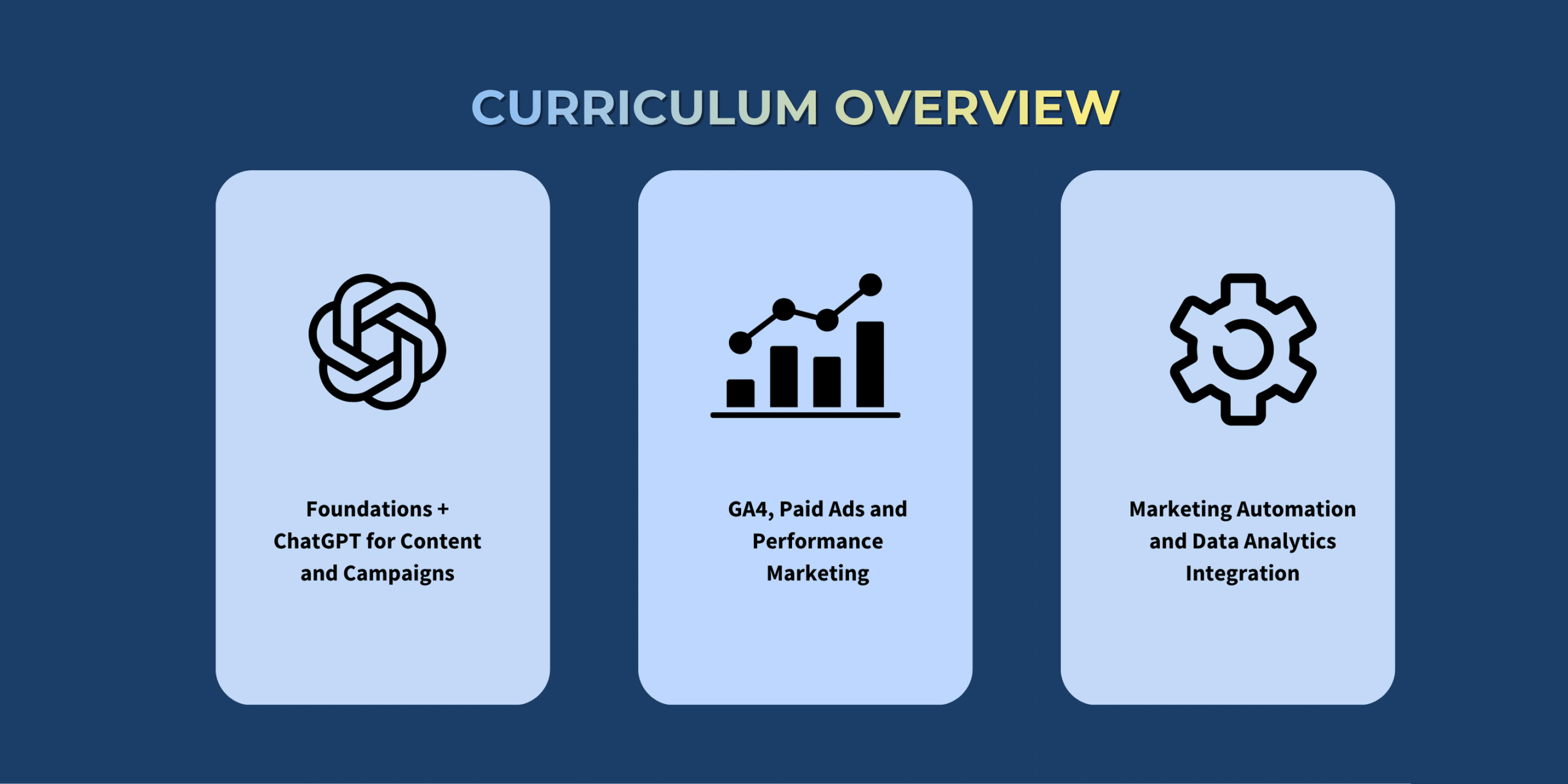
Digital Marketing & Content Strategy Foundations
Learners develop a strong understanding of modern digital marketing ecosystems, customer acquisition strategies, and multi-channel campaign planning.
This module introduces practical marketing concepts used across startups, SMEs, ecommerce companies, agencies, and enterprise environments, including:
- SEO fundamentals and search visibility
- Social media marketing strategy
- Audience targeting and customer personas
- Funnel-based campaign planning
- Landing page optimization
- Content strategy frameworks
- Multi-platform campaign messaging
- Campaign performance analysis
- Omni-channel customer engagement
To support modern marketing execution, learners are also introduced to AI-assisted workflows and generative AI applications used within contemporary marketing environments, including:
- ChatGPT-assisted content ideation
- AI-supported copywriting workflows
- Prompt engineering for marketing tasks
- Content repurposing strategies
- AI-assisted campaign research
- Audience pain-point analysis
- Automated content planning workflows
Throughout this phase, learners begin developing portfolio-ready outputs such as:
- SEO-optimized blog articles
- Social media campaign calendars
- Content strategy plans
- Audience targeting frameworks
- Campaign case studies
- Multi-platform content assets
Content Marketing, Video & Omni-Channel Campaign Execution
The program also expands into content production, campaign execution, and omni-commerce strategy development.
Participants learn how businesses coordinate customer engagement across multiple digital touchpoints while aligning campaigns with measurable business outcomes. Key areas include:
- Content marketing strategy
- Video and multimedia campaign development
- Editorial campaign planning
- Engagement-focused content creation
- Omni-channel commerce campaigns
- Marketplace and ecommerce integration
- Customer journey optimization
- Campaign rollout planning
- Conversion-focused messaging
Portfolio outputs may include:
- Content marketing campaigns
- Video campaign concepts
- Editorial calendars
- Omni-channel campaign frameworks
- Customer journey maps
- Campaign performance presentations
Marketing Automation, CRM & AI-Enabled Workflows
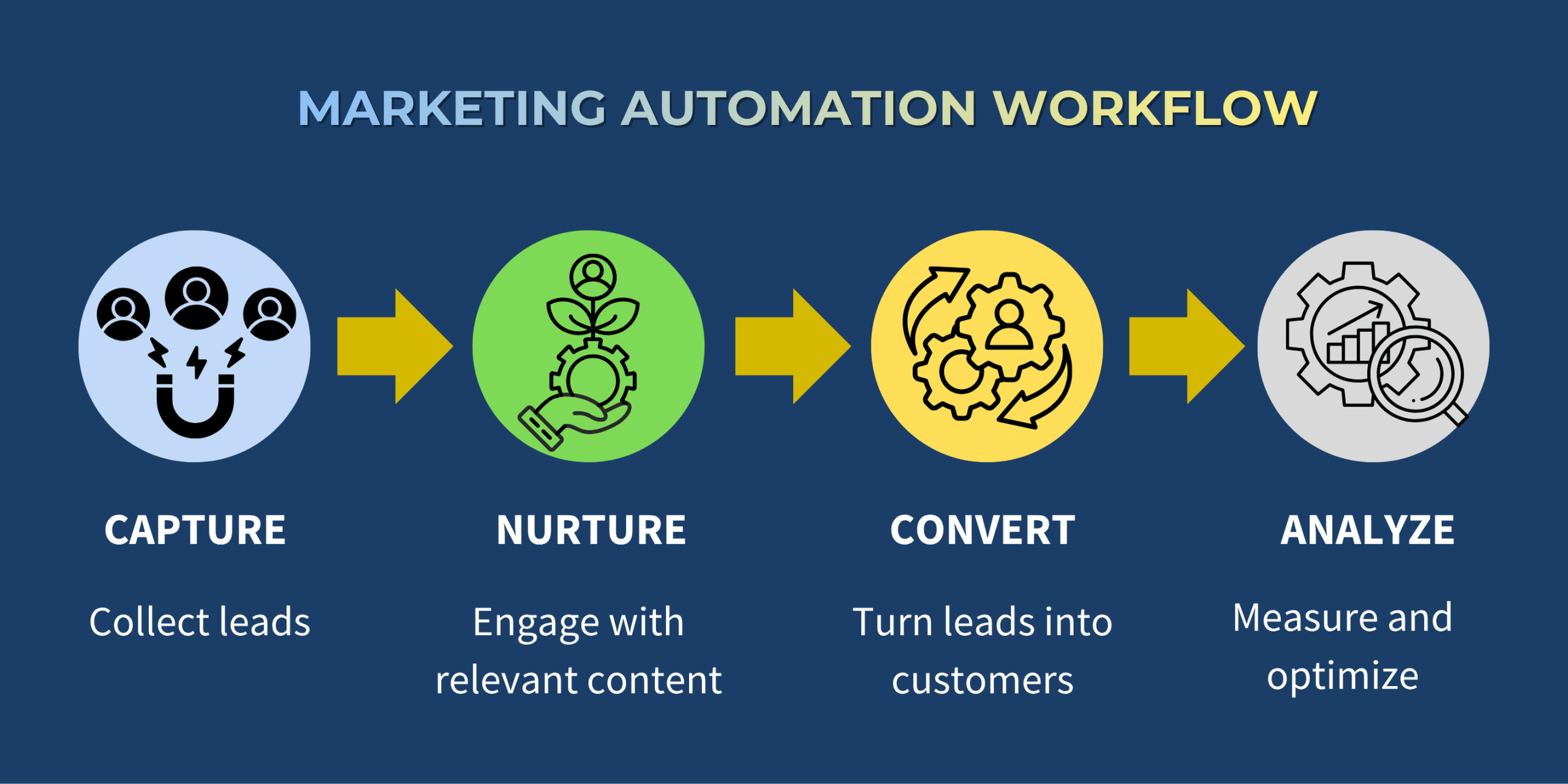
A major differentiator of the program is its focus on automation systems, CRM workflows, and AI-enabled business processes. By offering deep, hands-on ai marketing training, we ensure that instead of learning marketing purely from a promotional perspective, learners develop operational skills that support scalable customer engagement and retention strategies used in modern organizations.
Instead of learning marketing purely from a promotional perspective, learners develop operational skills that support scalable customer engagement and retention strategies used in modern organizations.
Key learning areas include:
- Marketing automation systems
- CRM workflow management
- Lead nurturing funnels
- Customer lifecycle planning
- Automated segmentation systems
- Email marketing automation
- AI-assisted workflow optimization
- Customer retention strategies
- Conversion optimization frameworks
Practical outputs may include:
- Automated customer journey workflows
- CRM campaign frameworks
- Lead nurturing sequences
- Email automation campaigns
- Retention strategy plans
- Customer engagement workflows
Data Analytics, AI & Performance Optimization

The program also places strong emphasis on analytics interpretation, performance measurement, and data-driven decision-making.
Learners explore how organizations use analytics and AI-supported systems to evaluate campaign effectiveness, improve customer acquisition, and optimize business performance across digital channels.
This module introduces areas such as:
- Marketing analytics and reporting
- Campaign performance dashboards
- Customer behavior analysis
- Funnel optimization
- Conversion tracking
- Data visualization
- AI-supported customer insights
- Performance reporting systems
- Marketing ROI analysis
Portfolio outputs may include:
- Analytics dashboards
- Campaign reporting presentations
- Performance optimization case studies
- Data-driven marketing reports
- Customer behavior analysis projects
- AI-assisted marketing workflows
Capstone Project
The program concludes with a capstone implementation project where learners apply their accumulated skills to develop an integrated digital marketing solution aligned with real business scenarios.
This capstone combines areas such as:
- SEO and content strategy
- Omni-channel campaign planning
- Marketing automation
- CRM integration
- Analytics reporting
- AI-assisted campaign execution
- Customer engagement optimization
Beyond technical marketing execution, learners develop capabilities that support measurable business outcomes, including customer acquisition, lead generation, customer engagement, and marketing performance optimization.
Flexible Learning Options for Working Professionals
Many professionals want to build digital marketing skills without stepping away from their careers, businesses, or personal responsibilities. As a result, flexibility has become an important consideration when choosing a digital marketing course.
The CLaaS2SaaS Digital Marketing Program incorporates Adaptive CLaaS® principles that support personalized and work-integrated learning. Rather than following a one-size-fits-all approach, learners progress through practical activities designed to support different levels of experience, confidence, and professional goals.
The program emphasizes applied learning through real business scenarios, allowing learners to strengthen digital marketing capabilities while continuing their existing work commitments. Concepts learned throughout the program can often be applied immediately within workplace environments, helping reinforce learning through practical implementation.
Graduate Outcomes & Career Progression
A well-designed digital marketing course should help learners build practical portfolio assets that demonstrate real-world capabilities. Many providers discuss career opportunities generally but provide limited visibility into how learners apply practical skills after completing the course.
CLaaS2SaaS’ program focuses strongly on portfolio-based learning, allowing learners to build real projects that support career progression into roles such as:
- Digital Marketing Executive
- SEO Associate
- Performance Marketing Executive
- Content Marketing Specialist
- CRM & Automation Coordinator
- Marketing Analytics Associate
- Ecommerce Marketing Executive
These outcomes are supported through practical learning methods such as:
- Portfolio-based learning
- Campaign simulations
- Practical analytics reporting
- AI-assisted campaign workflows
- Marketing automation exercises
- Funnel optimization projects
- Real-world case studies
Different Learning Pathways for Different Professional Goals
Not every learner starts with the same objective. Some professionals want to strengthen specific digital marketing skills, while others are looking to build broader capabilities that support leadership, business growth, digital transformation, or long-term career advancement.
The CLaaS2SaaS Digital Marketing Pathway is structured as a stackable lifelong learning journey that allows learners to progressively build qualifications and practical capabilities over time.
Depending on individual goals, learners may begin with a Professional Certificate, advance to a Professional Diploma or Postgraduate Diploma, and potentially continue toward Master’s-level progression opportunities. Each stage builds upon previously acquired knowledge while introducing more advanced marketing, analytics, automation, and AI-enabled business capabilities.
This modular approach allows learners to develop skills at a pace that aligns with their career objectives while maintaining flexibility as industry requirements evolve. Whether the goal is career advancement, specialization, career transition, or broader business capability development, the pathway provides multiple progression options that support continuous professional growth.
Stackable Lifelong Learning Pathway
Learners can progressively advance through:
- Professional Certificate
- Professional Diploma or Postgraduate Diploma
- Master’s top-up progression opportunities
This flexible structure supports continuous lifelong learning while allowing professionals to balance education alongside existing work and personal commitments.
Part-Time & Work-Integrated Learning
The program is especially suitable for working professionals who want to continue building their careers while developing industry-relevant digital marketing skills.
Flexible learning arrangements may include:
- Part-time study pathways
- Online and hybrid learning formats
- Evening or scheduled flexible sessions
- Self-paced learning support
- Mentor-guided implementation projects
- Practical portfolio development
- Collaborative learning activities
- Capstone-based applied learning
Frequently Asked Questions
What GenAI tools are covered in the program?
The curriculum includes ChatGPT for campaign ideation, AI-assisted content workflows, analytics interpretation support, automation planning, and content optimization strategies. Learners explore how generative AI can enhance productivity while supporting responsible and effective marketing practices.
Do I need prior marketing experience?
No. The program is designed for both beginners and professionals transitioning from non-marketing backgrounds. The learning structure gradually introduces core concepts, tools, and workflows through practical applications and guided exercises.
How long is the course?
The CLaaS2SaaS Digital Marketing Pathway offers flexible stackable learning options that may vary depending on the chosen Professional Certificate, Professional Diploma, or Postgraduate Diploma pathway.
Learners can progressively advance through modular lifelong learning stages designed to support both working professionals and career changers while balancing work and personal commitments.
Is the course available part-time or on weekends?
Yes. Flexible online, hybrid, evening, and weekend learning formats may be available depending on the program schedule.
Why are analytics and automation skills important in digital marketing?
Modern businesses increasingly rely on systems that improve efficiency, reporting accuracy, customer engagement, and measurable business growth. These include:
- Customer analytics
- Marketing automation
- Campaign reporting
- AI-assisted workflows
- Performance optimization
How are GenAI tools used in digital marketing?
Generative AI tools can support content creation, campaign planning, audience research, workflow automation, customer journey mapping, and performance optimization. Modern marketers increasingly use AI to streamline repetitive tasks, generate insights, and improve campaign effectiveness while maintaining human creativity and strategic oversight.
Is this program suitable for career changers?
Yes. The program is specifically designed to support professionals transitioning into digital marketing through practical projects, guided learning, portfolio-building activities, and exposure to modern industry tools.
Ready to Build Future-Ready Digital Marketing Skills?
As businesses continue investing in AI-supported customer engagement, analytics-driven decision-making, automation systems, and digital customer acquisition, digital marketing capabilities are becoming increasingly valuable across industries worldwide.
Professionals today are expected to understand not only content and campaign execution, but also performance reporting, customer analytics, automation workflows, and AI-assisted productivity systems that support business growth.
Whether you are looking to upskill, transition into digital marketing, or strengthen your ability to drive business growth, this program provides a structured pathway to develop modern marketing, analytics, automation, and AI-enabled capabilities.
Start building future-ready digital marketing skills through a practical digital marketing course and gain the experience needed to succeed in the evolving digital economy.
Share


Want to check if this career is for you?