Home Blog Lifelong Learning CET Social Media Video Production Course Singapore
Lifelong Learning CET

Social Media Video Production Course Singapore: Portfolio Outcomes

Social Media Video Production Course Singapore: Portfolio Outcomes

Modern social media video production now extends beyond editing alone. Businesses today are looking for professionals who can combine creative execution with digital marketing strategy. From video content and branding visuals to AI-assisted workflows, creative skills now play a major role in audience engagement, marketing performance, and business growth.
With our Digital Marketing pathway, learners build portfolio-ready capabilities across video production, graphic design, digital content creation, and AI-assisted creative execution. The focus also goes beyond standalone creative tools by connecting content production to full-stack marketing outcomes, including branding, campaign execution, and customer engagement.
Singapore’s creative ecosystem also serves as a useful benchmark for international professionals and businesses looking to adopt industry-ready digital marketing and creative practices.

What Will You Learn? Tools & Skills Covered

A strong creative course should combine practical execution with portfolio-building projects. CLaaS2SaaS delivers this through work-integrated, portfolio-driven learning experiences designed around modern digital marketing and creative production workflows. Instead of focusing only on video editing, learners should gain skills across multiple creative disciplines that support marketing strategy, brand awareness, and digital communication.
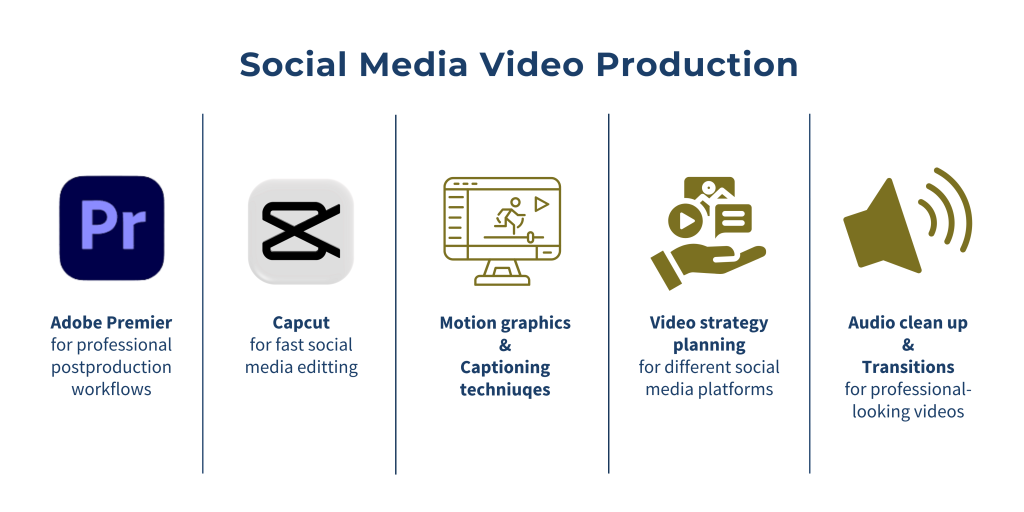
Social Media Video Production (Adobe Premiere, CapCut)
Students learn how to create high quality short-form and long-form video content for platforms such as TikTok, Instagram, YouTube, and LinkedIn.
Social Media Video Production banner showcasing video editing and content creation tools
For professionals interested in enterprise content creation, these skills are useful for marketing campaigns, product launches, internal communications, and social media advertising.

As a comprehensive course, this module teaches students how to create high-quality short-form and long-form video content for platforms such as TikTok, Instagram, YouTube, and LinkedIn. It serves as a practical adobe course where you will master Premiere Pro alongside mobile-friendly tools.

Graphic Design (Photoshop, Illustrator, Canva AI)
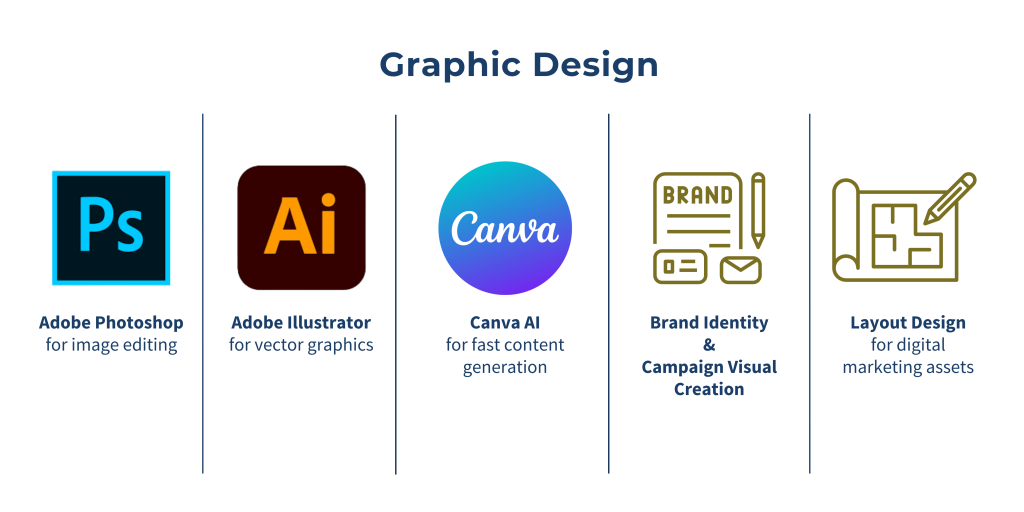
Creative professionals today are expected to create visually compelling assets across both video and visual design projects
Graphic Design banner featuring Photoshop, Illustrator, Canva, and branding skills
These design skills are especially valuable for professionals supporting social media marketing campaigns, business branding, and content creation for potential customers.
This module prepares creative professionals to work fluidly across both video and visual design projects. It functions as an advanced digital content creation capability, blending AI-driven templates with heavy-hitters like Photoshop and Illustrator to create engaging and versatile branding assets.
Businesses increasingly expect marketers to understand branding, audience targeting, campaign execution, and visual storytelling together.
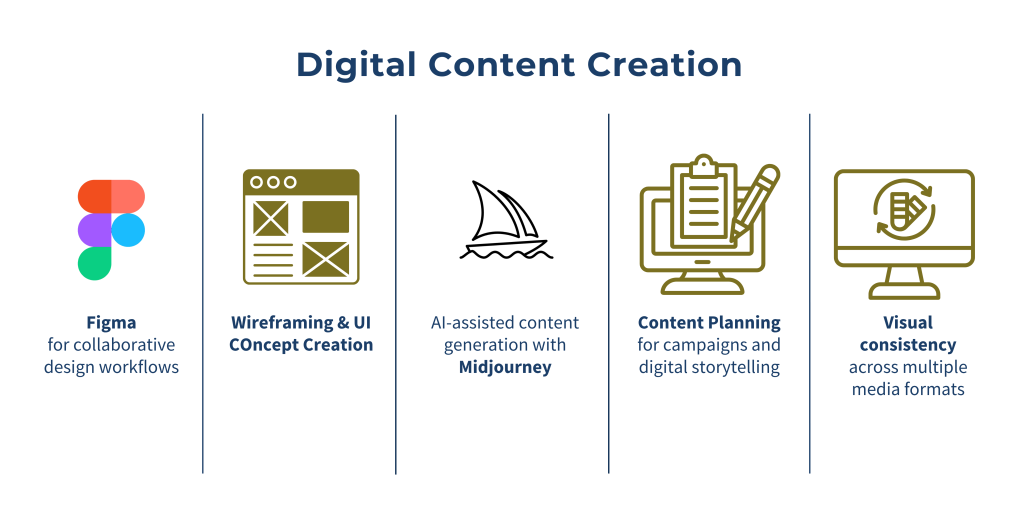
Digital Content Creation (Figma, Midjourney)
Modern content creators also benefit from understanding collaborative design and AI-assisted creative workflows.
Courses that include tools such as Figma and Midjourney help learners expand beyond traditional video production into digital product visuals and creative ideation.
Digital Content Creation banner with Figma, AI tools, and content planning
These skills are increasingly useful for professionals exploring adjacent paths such as content design, UI support roles, and creative marketing.

Portfolio Outcomes – What You Have After the Course
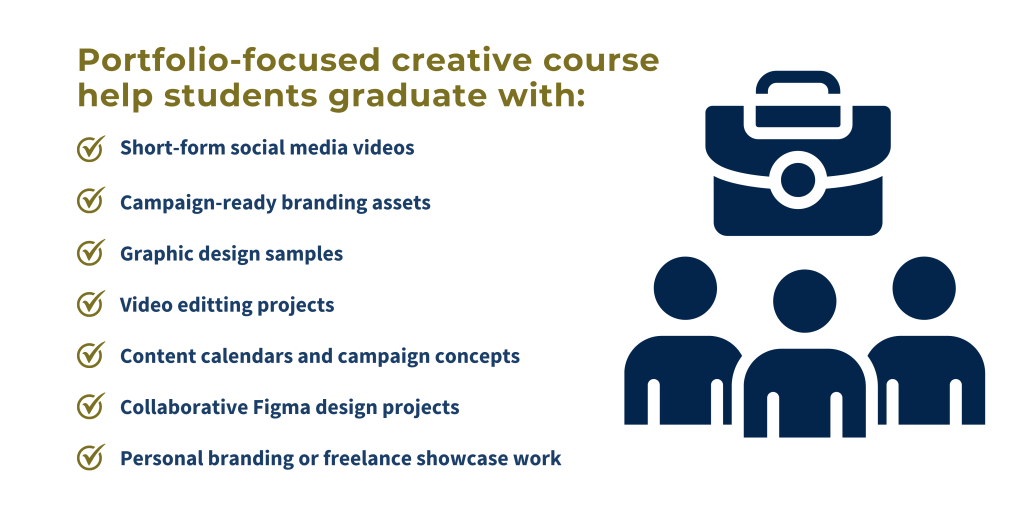
One of the biggest mistakes learners make is completing courses without building portfolio-ready work.
Portfolio-focused creative course banner highlighting student project outcomes
This portfolio becomes important when applying for jobs, pitching freelance services, or transitioning into a new creative career.
Unlike many video-only courses, a broader creative curriculum demonstrates versatility across design, video, and content creation.

Creative Career Paths – Freelance vs In-House vs Agency

Creative professionals today can choose between freelance, in-house, or agency career paths depending on their working style, business goals, and preferred creative environment.
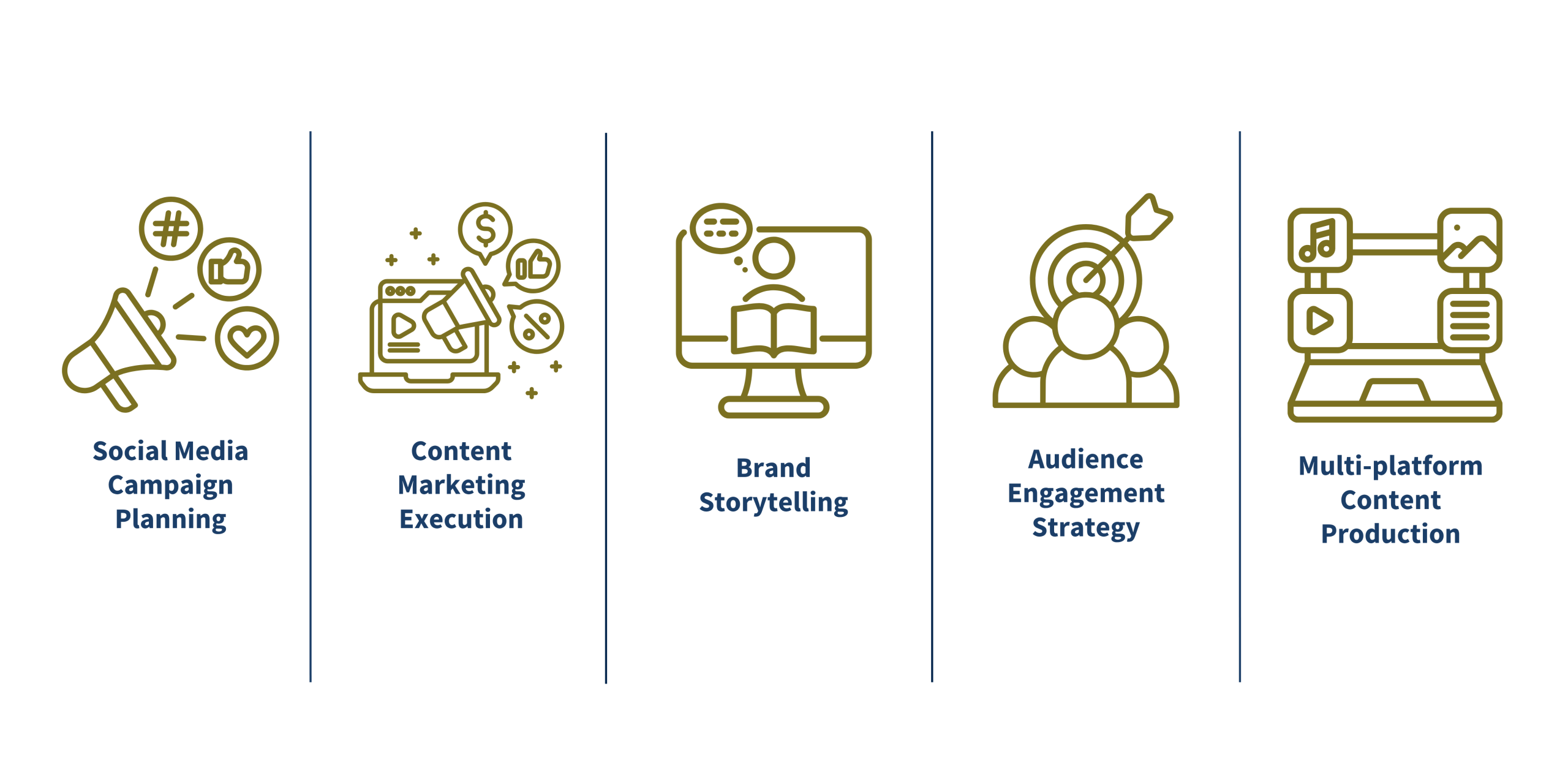
As businesses increasingly adopt full-stack marketing strategies, creative professionals are also expected to understand how content, branding, marketing campaigns, customer engagement, and digital performance work together. Beyond technical execution, professionals who can combine creative production with marketing strategy often bring stronger value to employers and clients.
Freelance Creative Work
Freelancers often manage multiple clients while handling video content, graphic design, branding assets, and social media execution independently.
This path offers flexibility and stronger personal branding opportunities, especially for creators who use Canva AI, Figma, Adobe Premiere, and digital marketing skills to provide end-to-end creative services.
Full-stack creative freelancers may also support:
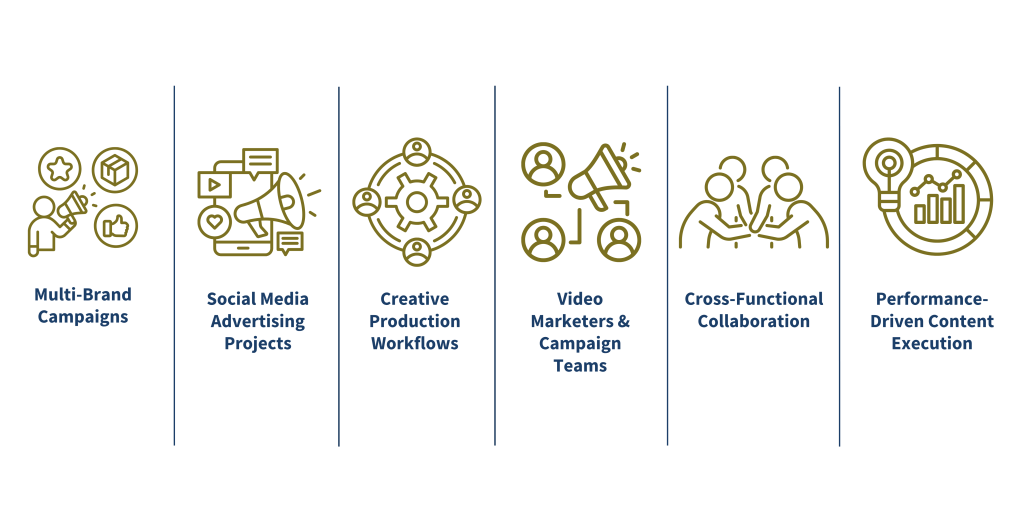
Digital marketing and content strategy banner for multi-platform campaigns
In-House Creative Roles
In-house creative professionals typically support a single company’s marketing strategy and brand awareness goals.
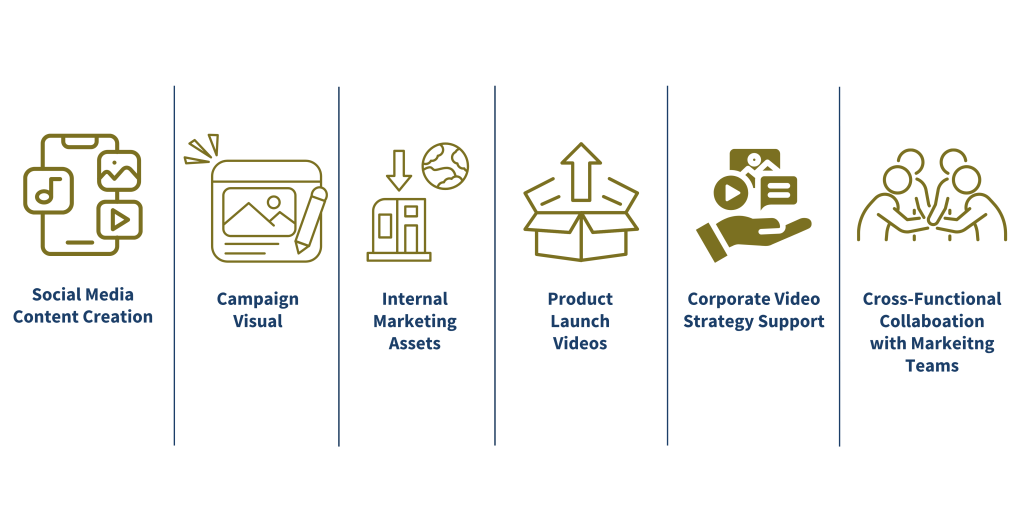
Common responsibilities include:
Digital marketing roles including social media, campaign visuals, and product launch videos.
This path is often preferred by professionals looking for structured career growth, stable income, and deeper involvement in long-term brand strategy.
Professionals with full-stack creative and marketing capabilities are increasingly valuable because they can contribute beyond design execution into campaign planning, content performance, and customer engagement.
Agency Creative Roles
Agency environments are usually faster-paced and involve working with multiple industries, campaigns, and clients.
Professionals gain exposure to:
Creative marketing workflows covering campaigns, advertising projects, and performance-driven content.
Agency roles are often well suited for professionals who want to strengthen both creative and digital marketing capabilities across different business environments.

Salary Expectations for Creative Professionals in Singapore

Creative salaries in Singapore vary based on experience level, technical skill set, industry demand, and portfolio strength.

Estimated salary ranges include:
  • Junior content creators: SGD 2,800–4,000/month<
  • Video editors: SGD 3,000–5,500/month
  • Graphic designers: SGD 3,000–5,000/month
  • Creative marketing specialists: SGD 4,000–7,000/month<
  • Freelance creators: Variable project-based income
These figures are intended as general industry references only and may vary depending on company size, project scope, geographic market, specialization, certifications, and professional experience. Salary benchmarks may change over time due to market conditions and hiring demand. Please refer to local hiring platforms, recruitment agencies, and government labour market resources for the latest compensation insights.
Professionals who combine creative production capability with digital marketing execution, audience analytics, campaign strategy, and AI-assisted workflows are increasingly positioned for broader and higher-value roles compared to specialists focused only on standalone editing or design execution.

Course Formats and Schedule

Many working professionals need flexible learning formats that can fit around full-time jobs, career transitions, and personal commitments.
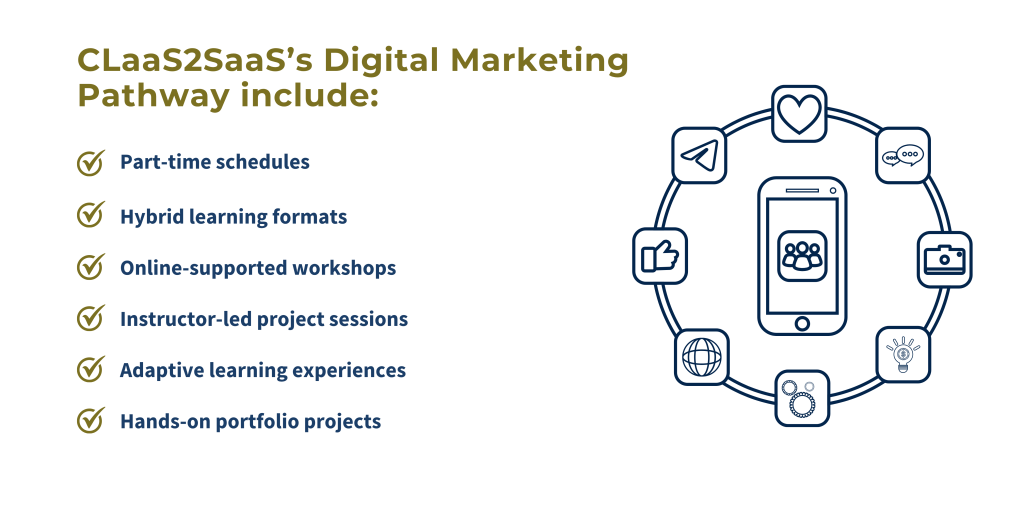
Through CLaaS2SaaS, learners experience a more adaptive and industry-relevant learning approach designed to support practical skill development, portfolio building, and business-ready capabilities.
CLaaS2SaaS’ Adaptive CLaaS® approach is designed to help learners progressively build competency through applied projects, practical execution, mentoring, and portfolio-based assessment rather than theory-heavy instruction alone.
Instead of learning tools in isolation, learners develop practical experience across:
  • AI-assisted creative execution
  • Digital marketing workflows
  • Content strategy and campaign execution
  • Branding and audience engagement
  • Video production and visual storytelling
  • Creative collaboration and project presentation
This flexibility allows learners to continue building industry experience while developing a professional portfolio aligned with modern digital marketing and business growth needs.

Why Portfolio-Based Learning Matters

Creative employers rarely evaluate candidates based on certificates alone.
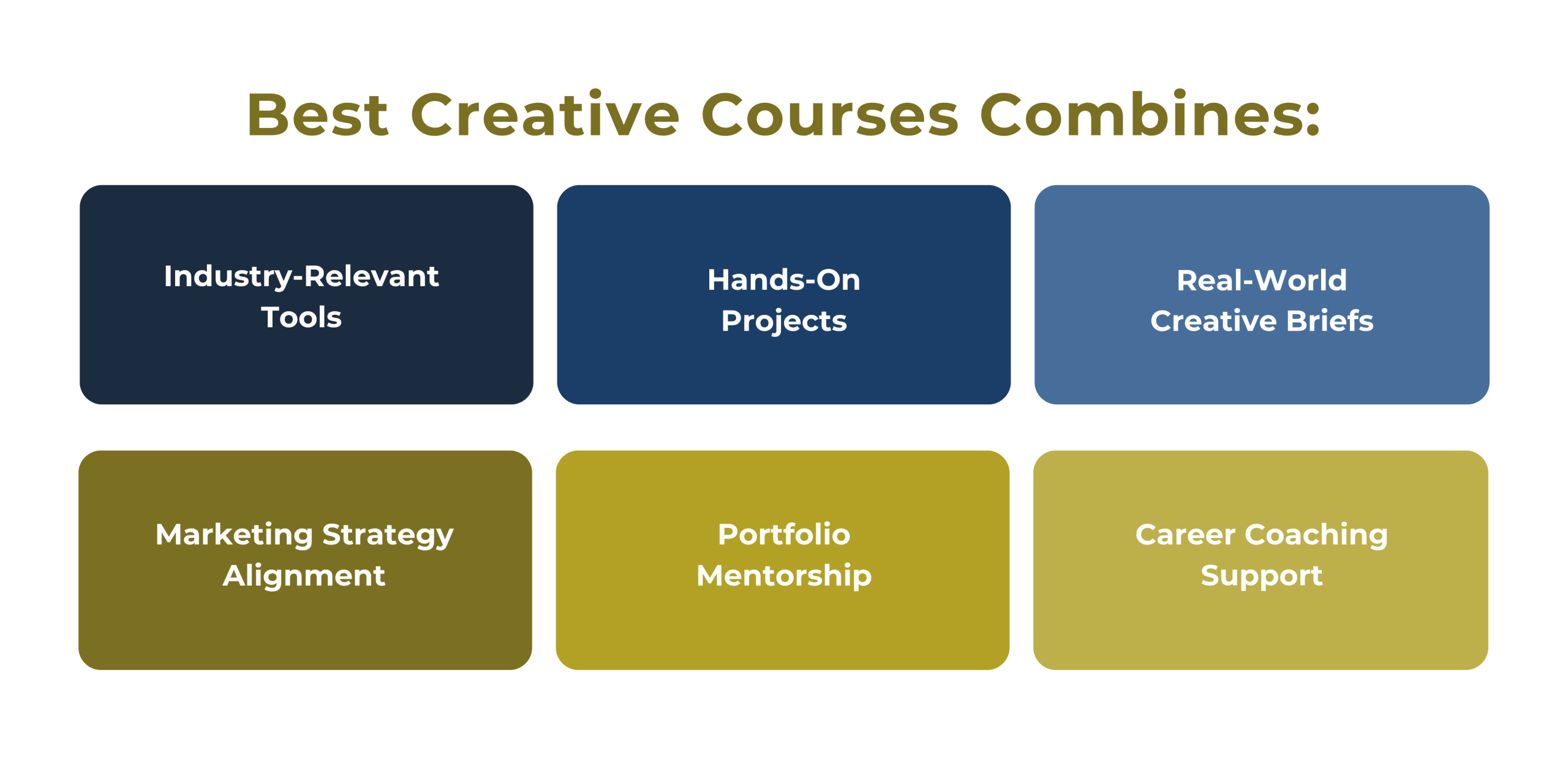
A portfolio showing real campaign concepts, design projects, and video strategy execution provides stronger proof of practical ability.
Creative course benefits including hands-on projects, mentorship, and career coaching.
For professionals exploring a career change, portfolio-based learning reduces the risk of entering the creative industry without demonstrable work.

Frequently Asked Questions

Most creative and design programmes cover Adobe Premiere, CapCut, Photoshop, Illustrator, Figma, Canva AI, and Midjourney.
Students typically graduate with video projects, branding assets, design samples, and campaign-ready social media content.
Most beginner-friendly programmes are designed for working professionals transitioning into creative work.
Agency roles involve multiple clients and faster-paced campaigns, while in-house roles focus on supporting one brand’s long-term marketing strategy.
These tools help freelancers produce faster workflows, collaborative projects, and scalable content creation services.
Course duration varies depending on the schedule format, learning depth, and project requirements.
Salaries vary based on experience, portfolio quality, and specialization, but skilled creators can access competitive opportunities across freelance, agency, and in-house roles.

Start Building Your Creative Portfolio

Creative careers today extend far beyond basic video editing. Employers increasingly look for professionals who can manage video content, graphic design, AI-assisted workflows, branding visuals, and multi-platform storytelling.

By learning industry-relevant tools, this course is designed to help students with building a portfolio with real project outcomes, professionals can position themselves for freelance opportunities, in-house marketing roles, or agency creative careers.
Explore available intake schedules and start building a portfolio that supports long-term creative career growth.
Want to check if this career is for you?
Â