Digital Business Degree Salary & Career Paths: What Graduates Actually Do
Digital Business Degree Salary & Career Paths: What Graduates Actually Do
Content
Content
What can you actually do, and earn, with a digital business degree in an increasingly digital and AI-driven economy? It is the question that matters most before you commit to a higher education programme, and it rarely gets a straight answer. This post maps the career paths, role families, and earning factors that define digital business degree salary outcomes in the real world, so you can make an informed decision about where this qualification takes you.
What Is a Digital Business Degree (and Why Employers Want It)
A digital business degree sits at the intersection of commerce, data, and technology. It is not a single discipline qualification. It prepares graduates to operate across the functions that drive modern organisations: e-commerce, data analytics, digital marketing, entrepreneurship, and strategic innovation.
That scope is precisely what makes it attractive to employers. Businesses navigating digital transformation do not need specialists who can only do one thing. They need people who understand how customer acquisition connects to data, how data informs strategy, and how strategy translates into commercial outcomes. A digital business graduate can move across those functions, connect business goals with digital execution, and speak the language of each.
The Bachelor’s in Digital Business at CLaaS2SaaS is built around exactly this skill set, combining those five curriculum pillars with real-world industry projects that reflect how organisations actually operate. The result is a qualification that signals both breadth and applied competence to the employers who hire into these roles.
Career Paths Opened by a Digital Business Degree
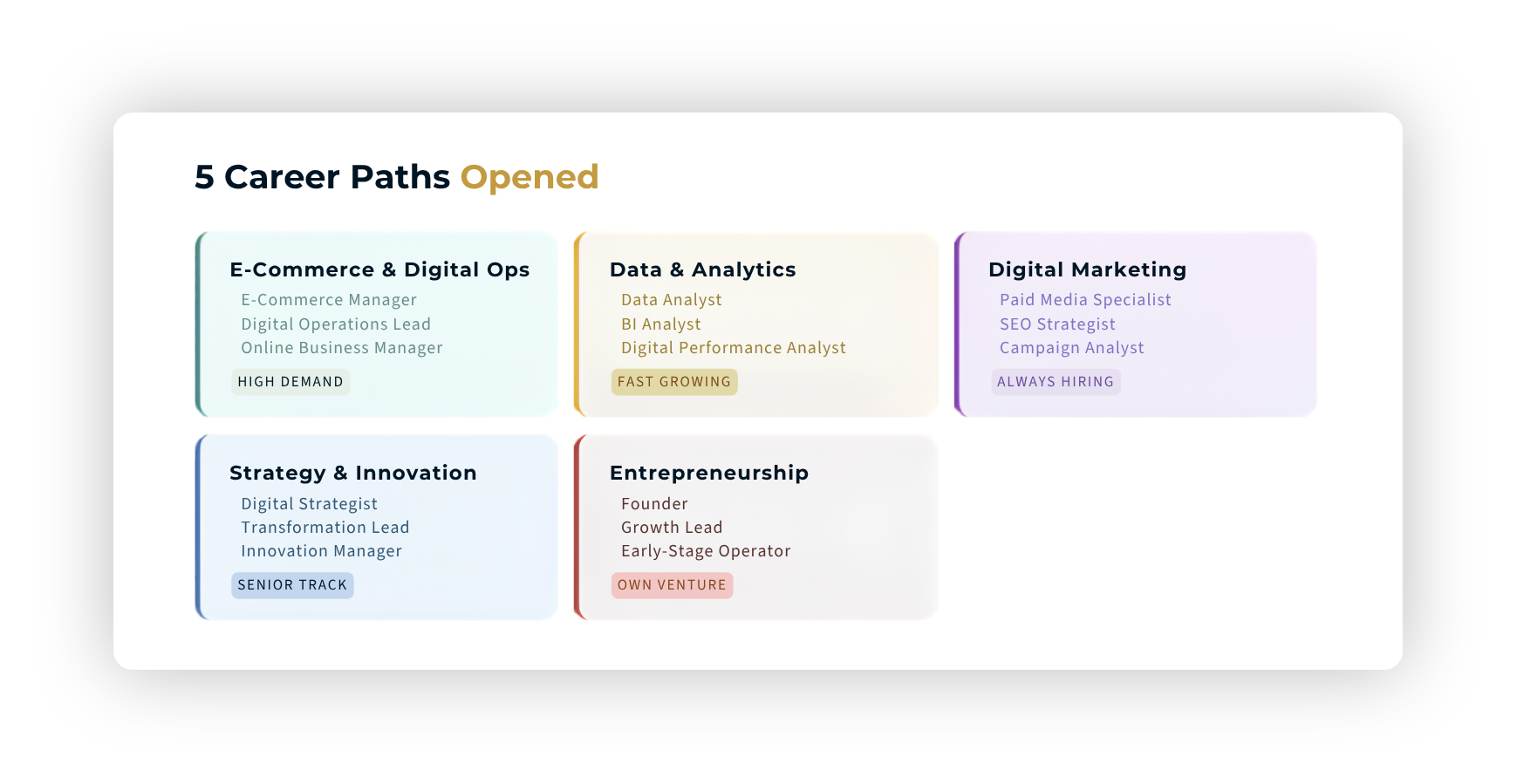
A digital business qualification does not lock you into one track. Here is how graduates typically move into the workforce across the main career pathways
E-Commerce and Digital Business Management
As more businesses shift growth, sales, and customer engagement online, this is one of the most direct career paths from the degree. E-commerce managers, digital operations leads, and online business managers are responsible for the commercial performance of digital channels. They manage product listings, conversion funnels, customer experience, and revenue reporting. The e-commerce component of the curriculum maps directly to these responsibilities, and graduates with project experience in this area are well positioned to enter at a coordinator or executive level and progress quickly.
Data and Analytics Roles
As businesses increasingly rely on data and AI-driven decision making, organisations across every sector are hiring for data literacy, and a digital business degree with an analytics component opens doors into roles such as data analyst, business intelligence analyst, and digital performance analyst. These roles sit at the centre of commercial decision-making, translating numbers into strategy. Graduates who have worked with real data sets during their studies, as the CLaaS2SaaS programme requires, arrive with a portfolio rather than just a transcript.
Digital Marketing Roles
Digital marketing remains one of the highest-demand hiring areas in the digital economy. Graduates move into roles covering paid media, SEO, content strategy, social media management, and campaign analytics. What distinguishes a digital business graduate from a pure marketing graduate in this space is the commercial and data context they bring: they understand how marketing activity connects to revenue, which makes them more effective and more promotable.
Entrepreneurship and Founder Paths
Not every graduate joins an employer. The entrepreneurship and strategic innovation pillars of the curriculum are built for graduates who intend to launch their own ventures or join early-stage companies in a founding or growth role. The combination of commercial, digital, and analytical skills is exactly what founders need to launch, grow, and scale modern digital businesses.
Strategy and Digital Innovation Roles
As graduates gain experience, many move into roles focused on digital strategy, business transformation, and innovation. These roles are becoming increasingly important as organisations accelerate digital transformation initiatives. They sit closer to senior leadership and require the ability to connect technology initiatives to business strategy and organisational change. The strategic innovation component of the curriculum is the clearest pathway into this track over time.
What Affects Your Earning Potential
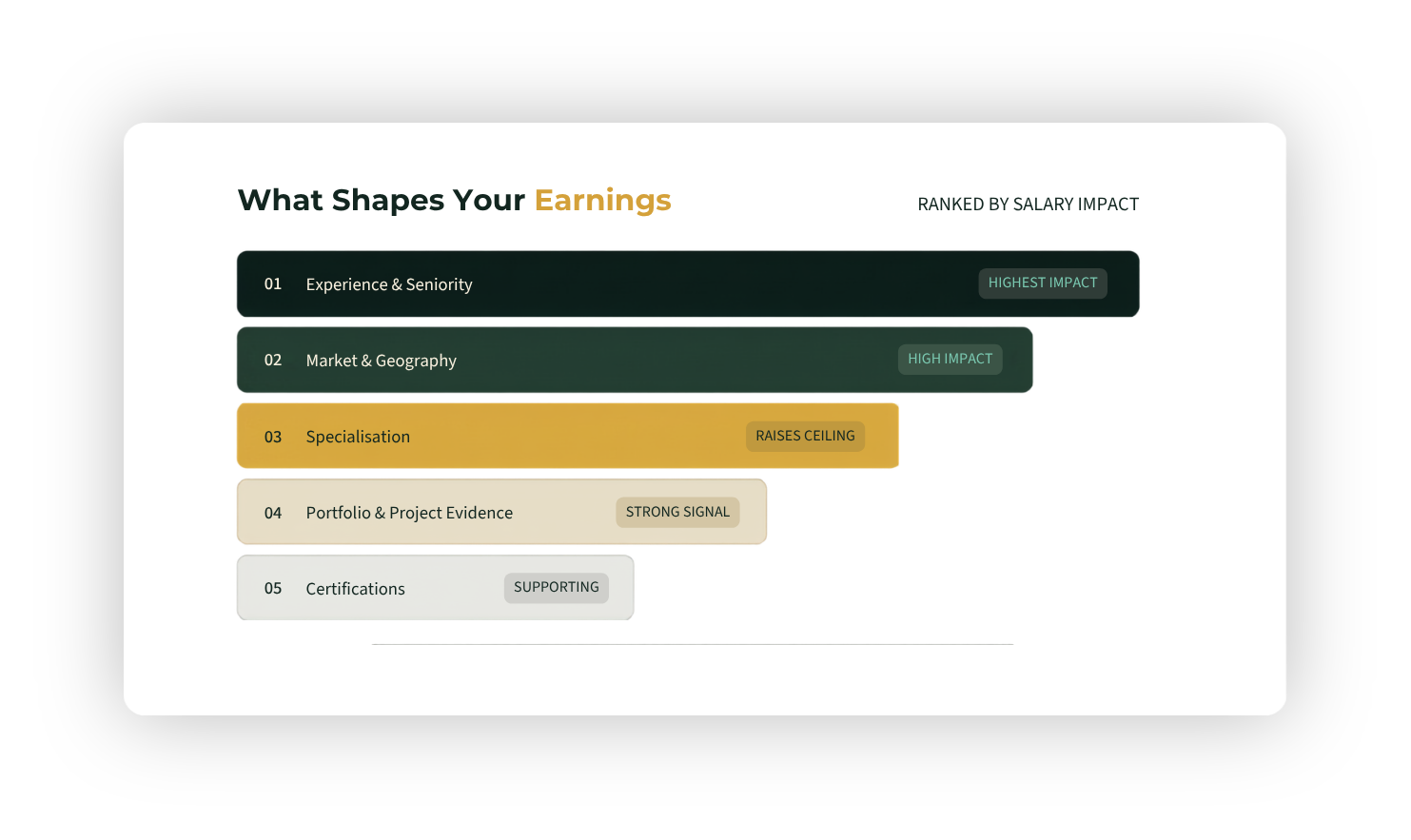
Understanding digital business career paths is one part of the picture. Understanding what shapes earning potential within those paths is the other
Market and geography matter significantly. Salaries for the same role title can vary considerably between countries and cities, reflecting local demand, cost of living, and the maturity of the digital economy in that market. A digital business manager salary in Singapore, for instance, will look different from the same role in a smaller regional market, and both will differ from European or North American benchmarks. There is no single figure that applies universally, which is why any honest career guide presents ranges as context rather than guarantees.
Experience and seniority are the most consistent drivers of earning progression within digital business graduate roles. Entry-level positions provide the foundation, but the jump to mid-level and senior roles, where compensation increases most meaningfully, comes from demonstrated impact. Graduates who enter the workforce with real project experience, not just theoretical study, tend to reach that mid-level threshold faster because they can demonstrate outcomes from day one.
Specialisation compounds over time. A graduate who develops depth in data analytics, or who builds a strong track record in e-commerce performance, becomes a more specific and therefore more valuable hire as they move through their career. Breadth opens doors early; specialisation raises the ceiling.
Certifications and continued learning play a supporting role, particularly in fast-moving areas like data tools, digital advertising platforms, and e-commerce technology. Staying current in the tools employers are actively using reinforces the value of the foundational degree.
Portfolio and project evidence increasingly matter as much as the qualification itself. Employers in digital roles want to see what you have actually built or managed, not just what you studied. A degree programme that integrates live industry projects directly into its curriculum addresses this gap in a way that traditional classroom study cannot.
How a Work-Study Degree Accelerates Your Earning Timeline
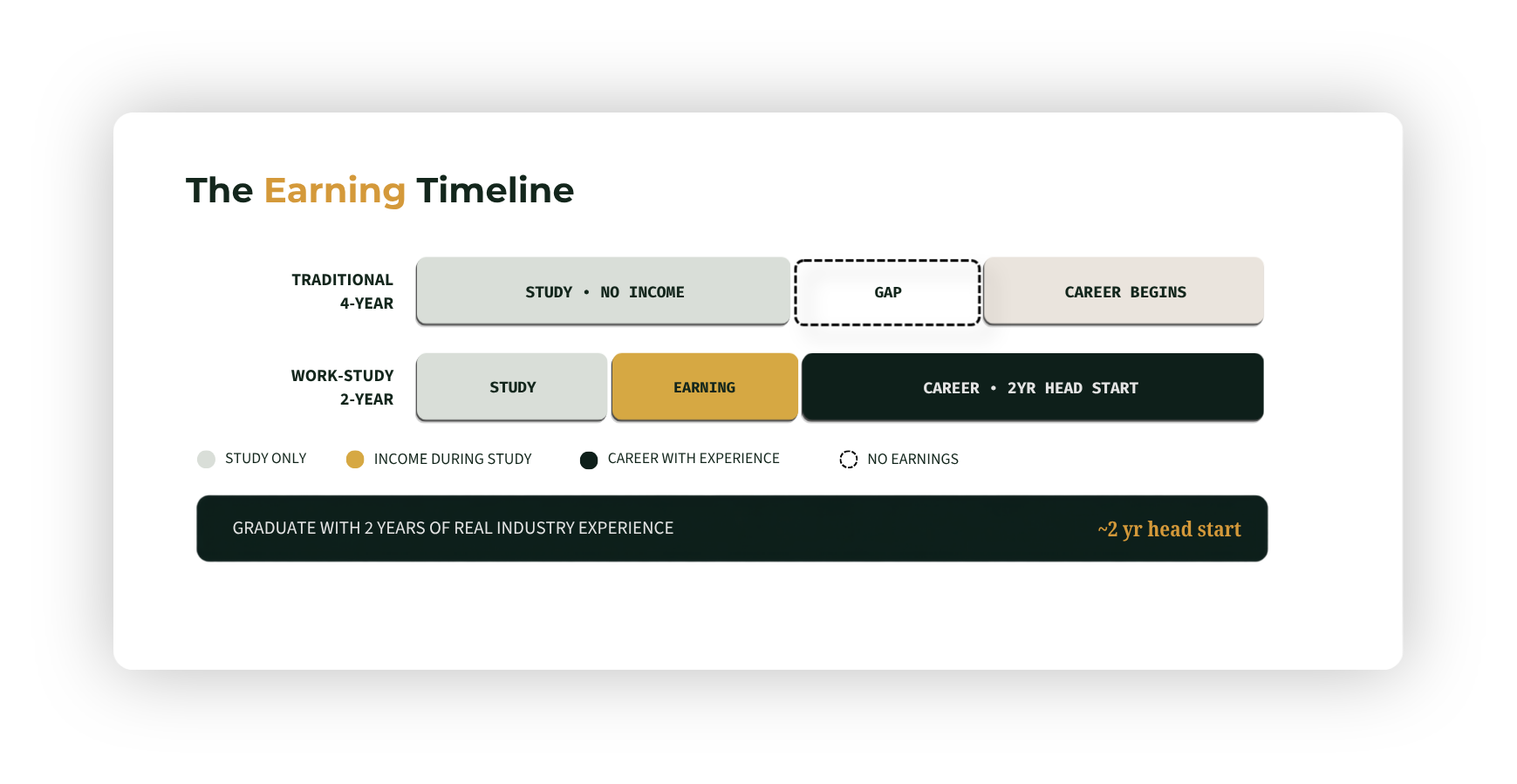
The question of what jobs can you get with a digital business degree matters, but so does when you start earning. The CLaaS2SaaS work-study model changes the earning timeline in a fundamental way.
Because the programme runs on a full-time work, part-time study basis, you are in the workforce from the point of enrolment, applying digital business skills in real workplace environments. You are not waiting two to four years before your career begins. You are building experience, earning an income, and developing the project portfolio that employers value, all while completing your degree.
By the time you graduate, you have approximately two years of real industry experience alongside your qualification. That combination puts you ahead of a traditional graduate who is entering the workforce for the first time with a degree but no professional track record. The earning timeline compresses, and the career progression that follows moves from a stronger starting position.
This is the case explored in more detail in the Cost and ROI of a work-study degree guide, which looks at how the earn-while-learning model changes the total financial picture of a degree.
For a full overview of the pathway structure, the 2-Year International Bachelor’s pathway page covers how the Higher Diploma and Top-Up Bachelor’s combine to deliver a fully accredited degree in approximately two years.
Frequently Asked Questions
What jobs can you get with a digital business degree?
A digital business degree opens a broad range of roles because it blends commerce, data, and technology skills. Graduates commonly move into e-commerce and digital business management, data and analytics roles, digital marketing, entrepreneurship and founder paths, and business strategy or digital innovation roles. The CLaaS2SaaS Bachelor’s in Digital Business specifically covers e-commerce, data analytics, digital marketing, entrepreneurship and strategic innovation, and includes real-world industry projects, so graduates leave with both the qualification and hands-on experience employers look for.
Is a digital business degree worth it for career prospects?
Yes, particularly when the degree includes applied project experience. The breadth of roles available to graduates is wide, spanning marketing, data, e-commerce, and strategy. A work-study format adds industry experience during the degree itself, which strengthens your position at the point of graduation and accelerates early career progression.
What is the highest-paying job in digital business?
Senior strategy, digital transformation, and analytics leadership roles typically sit at the higher end of the earning range, though exact figures vary significantly by market, company size, and experience level. There is no single ceiling: earning potential in digital business is shaped by specialisation, seniority, and the impact you demonstrate over time.
Do I need experience to start a digital business career?
Not if your degree builds it for you. The CLaaS2SaaS work-study model means you work full-time throughout the programme, so by graduation you have real industry experience alongside your qualification. You enter the job market with a professional track record, not just a certificate.
How is a digital business degree different from a marketing degree?
A marketing degree focuses primarily on brand, communication, and campaign management. A digital business degree is broader: it combines commerce, data analytics, entrepreneurship, and strategic innovation alongside digital marketing. Graduates are equipped to work across multiple business functions, not just within a marketing team.
The best earning outcomes in digital business come from pairing the right specialisation with genuine project experience. That is exactly what the work-study Bachelor’s is designed to deliver, combining a fully accredited degree with two years of real-world industry work so you graduate ready to perform, not just ready to apply.
Share


Want to check if this career is for you?