- Homepage
- Tech
- AI App Dev
- Pathway-2
- Masters in computer science
Master of Science in Computing (Top Up)
12 months
University of Roehampton
Master’s Degree
Course Overview
The Master of Science in Computing is a conversion-focused postgraduate programme designed for learners from both computing and non-computing backgrounds who want to build strong, industry-relevant computing expertise. The programme blends core computer science foundations with practical software development, databases, cyber security, systems, and professional practice to prepare learners for modern IT roles.
Through 7 structured modules and a major MSc project, learners progress from programming and software development fundamentals to databases, systems, cyber security, and ethical computing. The programme emphasizes collaborative learning, agile practices, and real-world problem-solving, culminating in an individual project aligned to academic, industry, or social enterprise contexts.
Design and develop software solutions using modern programming paradigms, tools, and agile practices
Build and manage databases with strong foundations in data modelling, SQL, security, and governance
Understand computer systems and networks, including performance, architecture, and operating principles
Apply cyber security principles to identify risks, vulnerabilities, and mitigation strategies
Evaluate legal, ethical, and social impacts of computing in professional and societal contexts
Deliver an MSc project that demonstrates independent research, technical implementation, and critical evaluation
Master these tech tools
Be an AI Application Developer
14 minutes
Explore how anyone—even without a tech background—can become an AI Application Developer through a skill-first, work-integrated learning journey. This episode breaks down career pathways, real-world projects, and stackable credentials that open doors to high-demand Software Developer roles.
Self-paced
Learning
1564 hours
Learning
1564 hours
Practical
132 hours
132 hours
Workshop/Seminar
92 hours
92 hours
Tutorial
12 hours
12 hours
GLH
236 hours
236 hours
Prerequisites
Target Audience
The programme is open to candidates who wish to acquire an international Master’s degree in Computer Science and those who have completed a relevant professional or Postgraduate Diploma.
Admission Prerequisite
- A second-class degree from a recognized British or overseas university. OR
- Non-graduates with appropriate professional qualifications will be considered on an individual basis by Programme Conveners.OR
- Matured candidates who has 25 years old and 5 years minimum relevant experience OR
- Post Graduate Diploma in Software Engineering
IELTS 6.5 (with no elements lower than 5.5) or its equivalent
Graduation Requirements
Minimum attendance of 75% in all the sessions of each module
Minimum pass grade in the summative assessment of each module
Module Summary
Module 1
Module 2
Module 3
Module 4
Module 5
Module 6
Module 7
Module 1
Software Development 1
Develop core programming skills and problem-solving techniques essential for software development. Learners are introduced to programming fundamentals, algorithms, and object-oriented concepts using a high-level language. Through hands-on practice, learners design, implement, test, and debug simple applications aligned with industry standards.
What You’ll Learn
- Programming fundamentals and syntax
- Control structures, functions, and recursion
- File handling and data manipulation
- Introduction to algorithms and object orientation
- Testing, debugging, and code evaluation
Module 2
Databases
Build a strong foundation in data modelling, database design, and relational database management. Learners explore entity-relationship modelling, SQL queries, normalization, and database security while understanding the legal, ethical, and social implications of data management.
What You’ll Learn
- Data modelling and ERD design
- SQL (DDL, DML, joins, and subqueries)
- Normalisation and transaction management
- Database security and integrity
- Legal, ethical, and governance considerations
Module 3
Software Development 2
Advance software development skills through object-oriented and event-driven programming. Learners build web and GUI-based applications using modern development tools, frameworks, and agile practices while working collaboratively in development teams.
What You’ll Learn
- Object-oriented and event-driven programming
- JavaScript, Node.js, and Express.js
- MVC and software design patterns
- Version control and agile workflows
- Team-based application development
Module 4
Computer Systems
Gain an in-depth understanding of computer systems, hardware, and network architectures. Learners explore logic design, system performance, assembly programming, and networking principles to understand how computing systems operate at a fundamental level.
What You’ll Learn
- Computer architecture and logic design
- State machines and system modelling
- Assembly-level programming concepts
- Networking fundamentals and protocols
- Performance evaluation and parallel systems
Module 5
Computing & Society
Examine the ethical, legal, social, and professional dimensions of computing. Learners explore usability, accessibility, sustainability, and professional practice while evaluating the societal impact of technology through real-world case studies.
What You’ll Learn
- Ethical and professional computing practice
- Human-computer interaction and user experience
- Legal frameworks and intellectual property
- Sustainability and environmental impact
- Collaboration and professional conduct
Module 6
Cyber Security
Develop an understanding of cyber security principles, risks, and mitigation strategies. Learners analyse threats, vulnerabilities, and secure system design through hands-on security testing and portfolio-based assessments.
What You’ll Learn
- Cyber security fundamentals and frameworks
- Risk analysis and vulnerability assessment
- Secure system and network design
- Privacy, ethics, and legal considerations
- Security testing and evaluation techniques
Module 7
MSc Project
Apply accumulated knowledge and skills to deliver an independent, large-scale computing project. Learners research, design, implement, and evaluate a solution aligned with academic, industry, or social enterprise contexts.
What You’ll Learn
- Independent project planning and management
- Research, analysis, and solution design
- Technical implementation and evaluation
- Professional documentation and reporting
- Ethical, legal, and professional responsibility
Module 1
Module 2
Module 3
Module 4
Module 5
Module 6
Module 7
Module 1
Software Development 1
Session Plan Details
Develop core programming skills and problem-solving techniques essential for software development. Learners are introduced to programming fundamentals, algorithms, and object-oriented concepts using a high-level language. Through hands-on practice, learners design, implement, test, and debug simple applications aligned with industry standards.
What You’ll Learn
- Programming fundamentals and syntax
- Control structures, functions, and recursion
- File handling and data manipulation
- Introduction to algorithms and object orientation
- Testing, debugging, and code evaluation
Module 2
Databases
Session Plan Details
Build a strong foundation in data modelling, database design, and relational database management. Learners explore entity-relationship modelling, SQL queries, normalization, and database security while understanding the legal, ethical, and social implications of data management.
What You’ll Learn
- Data modelling and ERD design
- SQL (DDL, DML, joins, and subqueries)
- Normalisation and transaction management
- Database security and integrity
- Legal, ethical, and governance considerations
Module 3
Software Development 2
Session Plan Details
Advance software development skills through object-oriented and event-driven programming. Learners build web and GUI-based applications using modern development tools, frameworks, and agile practices while working collaboratively in development teams.
What You’ll Learn
- Object-oriented and event-driven programming
- JavaScript, Node.js, and Express.js
- MVC and software design patterns
- Version control and agile workflows
- Team-based application development
Module 4
Computer Systems
Session Plan Details
Gain an in-depth understanding of computer systems, hardware, and network architectures. Learners explore logic design, system performance, assembly programming, and networking principles to understand how computing systems operate at a fundamental level.
What You’ll Learn
- Computer architecture and logic design
- State machines and system modelling
- Assembly-level programming concepts
- Networking fundamentals and protocols
- Performance evaluation and parallel systems
Module 5
Computing & Society
Session Plan Details
Examine the ethical, legal, social, and professional dimensions of computing. Learners explore usability, accessibility, sustainability, and professional practice while evaluating the societal impact of technology through real-world case studies.
What You’ll Learn
- Ethical and professional computing practice
- Human-computer interaction and UX
- Legal frameworks and intellectual property
- Sustainability and environmental impact
- Collaboration and professional conduct
Module 6
Cyber Security
Session Plan Details
Develop an understanding of cyber security principles, risks, and mitigation strategies. Learners analyse threats, vulnerabilities, and secure system design through hands-on security testing and portfolio-based assessments.
What You’ll Learn
- Cyber security fundamentals and frameworks
- Risk analysis and vulnerability assessment
- Secure system and network design
- Privacy, ethics, and legal considerations
- Security testing and evaluation techniques
Module 7
MSc Project
Session Plan Details
Apply accumulated knowledge and skills to deliver an independent, large-scale computing project. Learners research, design, implement, and evaluate a solution aligned with academic, industry, or social enterprise contexts.
What You’ll Learn
- Independent project planning and management
- Research, analysis, and solution design
- Technical implementation and evaluation
- Professional documentation and reporting
- Ethical, legal, and professional responsibility
Flexible Learning Pathway
After meeting the graduation requirements, the candidate will be awarded a Master of Science in Computing degree by the University of Roehampton, London.
Professional Certificate
Postgraduate Diploma
Master of Science in Computing (Top Up)
Master’s Degree
Certification(s)
Certification(s) Earned
- Master in Computer Science awarded by University of Roehampton, London
Pricing
Course Fee
USD 3,000
Payment Plan
Tuition fee is available for full payment and installments before the start of class. For more details Contact Us.
| Professional Certificate in Cloud Systems Support | Installment Plan | Tuition Fees |
|---|---|---|
| Month 1 | USD 1,250 | |
| Month 2-4 | USD 250 /month | |
| Total | 4 installments | USD 2,000 |
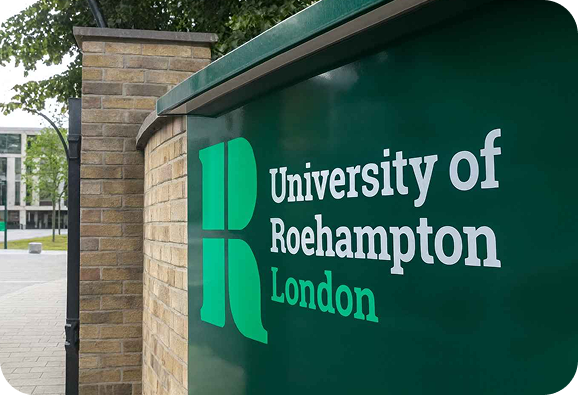
About University of Roehampton
The University of Roehampton, London, has a proud history in higher education stretching back 180 years. While still focused on its pioneering values and teaching heritage from its 19th-century collegiate roots, the University has developed a diverse curriculum that reflects London’s multicultural creative spirit. It offers a high-quality UK education experience to more than 10,000 students from 141 countries.
Known for its commitment to personalized learning and academic excellence, Roehampton offers a range of undergraduate, postgraduate, and research programs across various disciplines. With a focus on preparing students for successful careers and fulfilling lives, the university emphasizes innovative teaching methods, research-led learning, and strong community engagement. Roehampton values diversity, creativity, and critical thinking, shaping global citizens who contribute positively to society.
Learn more roehampton.ac.uk